0%

Choosing reliable suppliers will matter more in 2026, as pharmaceutical manufacturers face stricter quality expectations and unstable botanical supply chains. This guide examines companies producing pharmaceutical-grade botanical extracts for regulated applications, not merely attractive catalog products.

A dependable supplier should provide botanical identification, batch traceability, validated extraction methods, and complete certificates of analysis. Look for testing covering identity, potency, microbial limits, heavy metals, pesticides, residual solvents, and mycotoxins. GMP-aligned facilities are important, but certification alone cannot prove consistent performance. Site audits, production records, and transparent deviation handling reveal more.

Experienced procurement teams should also examine harvest regions, climate risks, storage conditions, and supplier continuity plans. A sealed drum may look reassuring, yet its documentation should explain what happened before delivery. Stability data, packaging specifications, and clearly defined retest periods can prevent expensive surprises.

Not every supplier communicates limitations equally well. That matters.

Some botanical materials naturally vary by season, cultivar, and processing temperature. Strong suppliers acknowledge this variation and explain their control strategies instead of promising perfect uniformity. This overview therefore considers technical evidence, regulatory readiness, customer experience, and long-term reliability.

The market is not static. New extraction technologies may improve yield, but they can also complicate comparability between batches. Buyers should question unsupported claims and request independent evidence where practical. A supplier’s reputation helps, but it should never replace verification.

The following selection highlights leading candidates for 2026. It is designed to support informed evaluation, not provide a universal ranking.
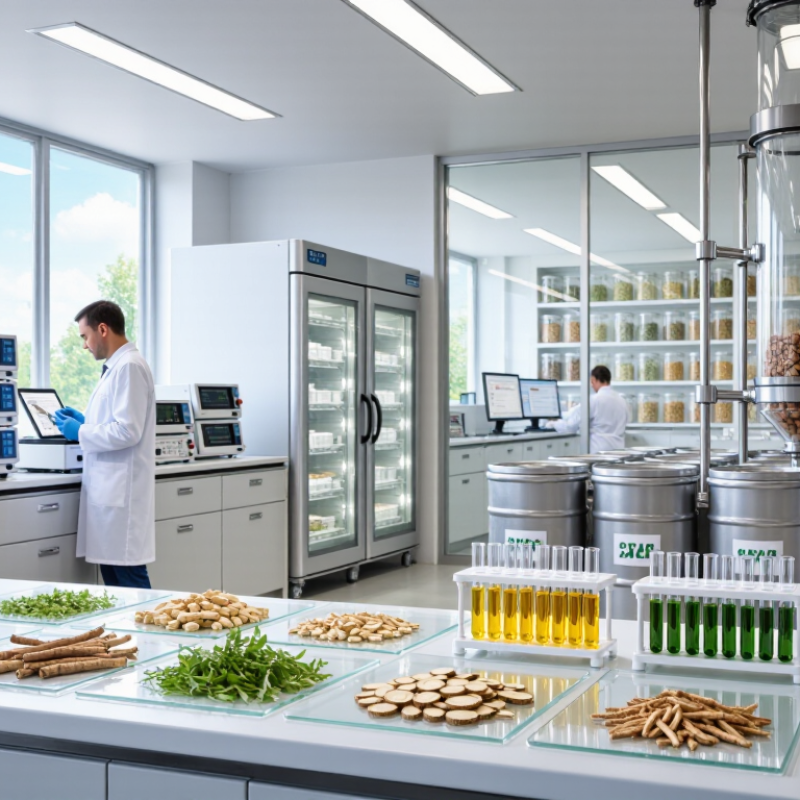
2026 Top Pharmaceutical Grade Botanical Extract Suppliers?

Pharmaceutical-Grade Extracts: GMP, GACP, ISO 22000, and USP <561>

Pharmaceutical-grade botanical extracts require more than a polished certificate package. A dependable supplier connects GACP farming records with GMP-controlled extraction, testing, and packaging. GACP should document seed sources, soil conditions, irrigation, harvest timing, drying temperatures, and storage humidity. These details matter because a warm warehouse can quietly reduce active constituents.

GMP controls the manufacturing process through approved procedures, trained operators, validated equipment, and controlled batch records. Ask for complete Certificates of Analysis, not isolated potency figures. Review identity testing, microbial limits, pesticides, heavy metals, residual solvents, and stability data. ISO 22000 supports a structured food-safety system, but it does not replace pharmaceutical GMP. USP <561> provides compendial guidance for articles of botanical origin, including identity and quality expectations. It should be read with the current monograph and the intended dosage form.

Look beyond the audit report. A technical review should include sample comparisons, traceability exercises, deviation histories, and change-control records. Qualified analysts should explain methods clearly, including reference standards and acceptance limits. Site experience helps here. Documents may appear complete while supplier oversight remains thin. One audit is not enough. Seasonal variation, supplier changes, and unexpected assay shifts deserve ongoing review. A transparent supplier will discuss limitations, not promise perfect uniformity. That honesty is often a stronger reliability signal than impressive language.

Supplier Ranking Data: HPLC Assay, Marker Purity, and COA Completeness

2026 Top Pharmaceutical Grade Botanical Extract Suppliers?

In routine botanical quality reviews, supplier ranking should begin with measurable evidence, not polished brochures. HPLC assay results show whether key compounds reach the declared level. However, assay alone cannot confirm botanical identity or overall safety. Marker purity also matters because a strong peak may hide related compounds, residual solvents, or inconsistent processing. Reliable suppliers provide lot-specific results, validated methods, reference standards, and clear testing dates.

A practical ranking model can score HPLC assay accuracy, marker purity, and COA completeness. COAs should list the botanical name, plant part, extraction ratio, batch number, test method, specifications, and actual results. Independent laboratory verification adds authority, especially when internal data looks unusually perfect. One weakness remains: supplier documents may represent only selected lots. A high ranking can therefore change after deeper sampling. That is worth admitting.

Tips: Request raw chromatograms when appropriate. Check whether marker results use dry or as-is basis. Confirm detection limits and laboratory accreditation. Compare three recent lots, not one. Watch for missing signatures, vague “pass” statements, and identical results across different batches. Small omissions can become large quality risks.

2026 Shortlist: Botanical Range, Batch Capacity, and ISO 17025 Testing

2026 Top Pharmaceutical Grade Botanical Extract Suppliers?

The 2026 shortlist should begin with botanical range, not attractive catalog pages. Grand View Research estimated the global botanical extracts market at approximately US$27 billion in 2023. WHO also reported that 170 of 194 Member States used traditional medicine in national health practices. Demand is real, but supplier quality remains uneven.

A serious supplier should show plant-part details, extraction solvent, marker compounds, and origin records. Batch capacity needs proof. Ask for annual production figures, typical lot sizes, reserve capacity, and recent lead-time data. One large vessel does not guarantee dependable supply. Request three consecutive batch records. Check whether specifications stayed consistent.

ISO 17025 matters most when testing is performed by an accredited laboratory. Verify the laboratory’s scope, method numbers, detection limits, and accreditation status. Test reports should cover identity, assay, microbes, heavy metals, pesticides, and residual solvents when relevant. A certificate alone is not enough. I have seen impressive documents hide weak sampling plans.

Tips: Compare at least three recent certificates of analysis. Match each method to the botanical matrix. Confirm sampling locations and retention periods. Treat “pharmaceutical grade” as a claim requiring evidence, not a purchasing category. Mistakes happen, especially when buyers overlook seasonal variation.

Safety Evidence: USP <232> Metals, Pesticides, and ICH Q3C Solvents

2026 Top Pharmaceutical Grade Botanical Extract Suppliers?

Choosing a pharmaceutical-grade botanical extract supplier requires more than a polished certificate. Safety evidence should follow the material from farm records to final batch release. Ask for recent, lot-specific reports, not generic assurances. A qualified laboratory should evaluate elemental impurities against USP <232> limits. Testing should reflect the plant part, extraction method, and daily dosage. Supplier laboratories need validated methods, controlled instruments, and traceable reference standards. Raw data matters when results appear unusually perfect.

Pesticide control needs equal attention. Request a risk-based multi-residue screen covering regional agricultural practices and likely contaminants. Detection limits should sit below applicable specifications, with clear units and reporting rules. Review sample collection details, storage conditions, and chain-of-custody records. One overlooked detail can weaken an otherwise strong result. I have seen supplier questionnaires list “pesticide tested” without naming the compounds or method. That wording deserves a careful challenge.

Residual solvents should align with ICH Q3C expectations. The supplier should identify every extraction solvent, its classification, and its testing frequency. Ask whether the method can detect low-level residues in the finished extract matrix. A clean chromatogram is useful, but it is not the whole story. Review deviations, out-of-specification investigations, and corrective actions. No quality system is flawless. Reliable suppliers show how they investigate uncertainty, repeat testing only with justification, and protect batch identity throughout distribution.

2026 Top Pharmaceutical Grade Botanical Extract Suppliers? — Safety Evidence Benchmark

Reference limits used for supplier quality review: oral elemental impurity limits from USP <232>. Pesticide residues and ICH Q3C residual solvents require separate, product-specific testing and specification review.

Lower permitted daily exposure values indicate tighter elemental impurity controls. A complete botanical extract supplier evidence package should also include pesticide-residue results against the applicable pharmacopeial or regional limits, plus residual-solvent testing aligned with ICH Q3C classifications and limits.

Procurement Comparison: Traceability, Stability, MOQ, and Cost per kg

2026 Top Pharmaceutical Grade Botanical Extract Suppliers?

Procurement should begin with traceability, not price. WHO’s 2019 Global Report on Traditional and Complementary Medicine recorded traditional medicine use in 170 of 194 Member States. That scale increases pressure on documented origin, harvest timing, and identity testing. Ask for batch-level farm records, voucher specimens, pesticide results, and heavy-metal data. A clean certificate is not enough. Review the laboratory’s accreditation and test method.

Stability deserves equal attention. ICH Q1A(R2) recommends long-term studies under defined temperature and humidity conditions, while botanical extracts often vary with moisture and carrier systems. Request real-time data, not only accelerated results. Check marker-compound drift at three, six, and twelve months. Watch the packaging too. Light can quietly damage sensitive constituents.

MOQ changes the real cost per kilogram. Compare delivered cost, testing fees, yield loss, and rejected-batch exposure. A low quote may hide a 500-kilogram minimum. Smaller trial lots reduce cash risk but may cost more per kilogram. Record every assumption in the comparison sheet. Procurement teams sometimes overvalue price and underprice inconsistency. That is the uncomfortable part.

Sources: WHO Global Report on Traditional and Complementary Medicine 2019; ICH Q1A(R2), Stability Testing of New Drug Substances and Products.

FAQS

What should GACP farming records include for botanical extracts?

Records should show seed sources, soil conditions, irrigation, harvest timing, drying temperature, and storage humidity. A warm warehouse can quietly reduce active constituents. Some records may still be incomplete.

How does GMP support pharmaceutical-grade extract production?

GMP controls approved procedures, trained operators, validated equipment, and complete batch records. It links manufacturing steps to documented decisions. Paperwork alone proves little.

What information should a complete Certificate of Analysis contain?

It should include the botanical name, plant part, batch number, extraction ratio, methods, specifications, and actual results. Identity, microbes, pesticides, metals, solvents, and stability data also matter. A single potency number is not enough.

Why is HPLC assay evidence important?

HPLC assay shows whether key compounds reach their declared levels in a specific lot. Compare three recent lots, not one. Results can still hide variation.

Can marker purity confirm overall extract quality?

No. Marker purity may look strong while related compounds, solvents, or processing differences remain unnoticed. Review chromatograms, reference standards, detection limits, and testing dates. One impressive peak is not the whole story.

What should elemental impurity testing examine?

Testing should evaluate metals against USP <232> limits, using methods suited to the plant part and daily dosage. Check laboratory controls, reference standards, instruments, and raw data. Perfect-looking results deserve questions.

How should pesticide testing be reviewed?

Request a risk-based multi-residue screen covering regional farming practices and likely contaminants. Confirm compounds tested, detection limits, units, sample handling, and chain of custody. “Pesticide tested” is too vague.

What should suppliers reveal beyond audit reports?

Review sample comparisons, traceability exercises, deviation histories, change controls, and out-of-specification investigations. Ask how they handle seasonal shifts and supplier changes. One audit is not enough.

Conclusion

This guide to the 2026 top pharmaceutical-grade botanical extract suppliers presents a practical framework for evaluating quality, consistency, safety, and purchasing value. It explains how GMP, GACP, ISO 22000, and USP <561> support reliable manufacturing and authentic botanical identity. Supplier performance is compared through HPLC assay results, marker-compound purity, complete Certificates of Analysis, botanical range, batch capacity, and independent ISO 17025 testing.

The overview also highlights essential safety evidence, including compliance checks for elemental impurities under USP <232>, pesticide residues, and residual solvents associated with ICH Q3C. For procurement teams, the comparison focuses on end-to-end traceability, stability data, minimum order quantities, lead times, and cost per kilogram. Together, these criteria help buyers distinguish dependable pharmaceutical-grade botanical extracts from inconsistent materials and select supply partners capable of supporting validated production, regulatory documentation, and long-term manufacturing requirements.

Oliver

Oliver

Oliver is a professional marketing specialist with a strong understanding of the company’s products, customers, and industry landscape. Through years of experience in market research, content strategy, and customer communication, he transforms complex product information into clear, practical, and......