0%

Choosing a China-based supplier for standardized herbal extracts requires more than comparing prices or reading polished websites. Buyers need evidence of botanical identity, consistent marker compounds, controlled processing, and reliable documentation. The term “standardized herbal extracts” should reflect measurable quality, not merely attractive packaging or broad marketing language.

This guide examines how experienced buyers assess suppliers across product development, manufacturing, testing, and export support. A credible supplier should explain its raw material sources, extraction solvents, concentration ratios, and standardization methods. Batch records, certificates of analysis, and independent laboratory results can reveal whether specifications remain stable over time. Testing may include HPLC or other validated methods, alongside checks for heavy metals, pesticides, microbes, and residual solvents. Small details matter. A clear lot number should connect the finished powder with its testing history.

Manufacturing standards also deserve close attention. Auditable quality systems, documented cleaning procedures, and suitable storage conditions provide stronger assurance than certificates displayed without context. Supplier evaluations should include facility communication, sample consistency, response speed, and the ability to handle corrective actions. No supplier is perfect. Even a strong factory may face seasonal crop variation or documentation gaps. That weakness should be acknowledged, investigated, and managed rather than hidden. By comparing technical evidence, regulatory awareness, and practical cooperation, buyers can identify a dependable partner for standardized herbal extracts and build a more transparent supply chain.
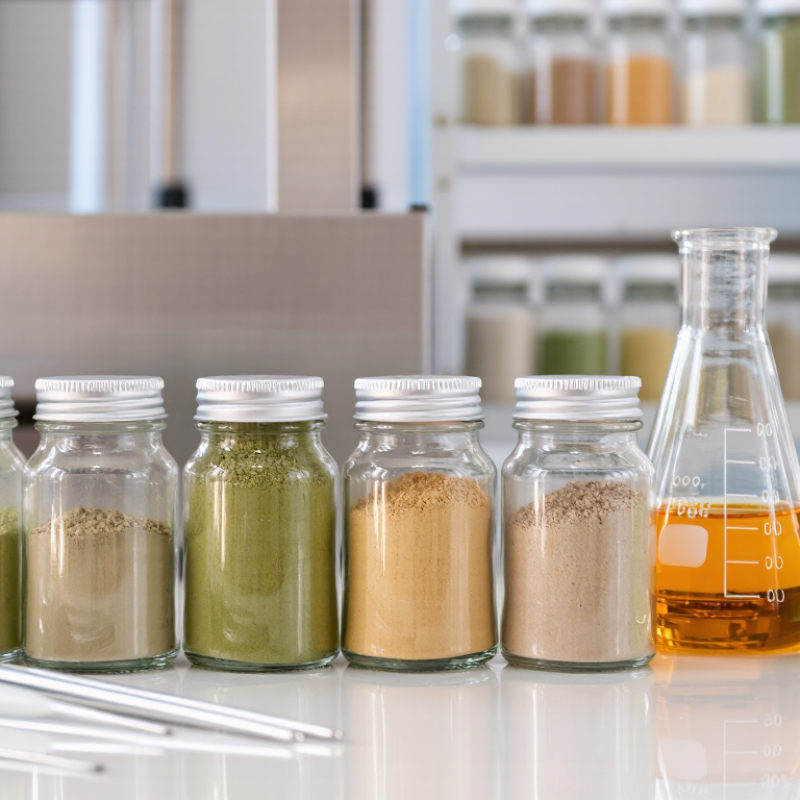
China Top Standardized Herbal Extracts Supplier?

Definition and Role of Standardized Herbal Extracts

China Top Standardized Herbal Extracts Supplier?

Definition and Role of Standardized Herbal Extracts

A standardized herbal extract is produced to contain a defined level of selected marker compounds. The marker may indicate identity, potency, or processing consistency. It does not mean every plant molecule is identical. That distinction matters.

For example, a supplier may specify milk thistle extract at 80% silymarin or ginkgo extract with controlled flavone glycosides and terpene lactones. Testing commonly uses HPLC, UV, TLC, and microbial analysis. Reliable facilities also verify botanical identity, solvent residues, heavy metals, pesticides, and batch-to-batch variation. GMP records, traceable raw materials, and validated methods support stronger decisions.

The market needs this discipline. The WHO Global Report on Traditional and Complementary Medicine 2019 reported that 170 of 194 Member States recognized the use of traditional medicine. In the United States, HerbalGram’s 2023 market report estimated herbal supplement sales at about 12.6 billion dollars, rising 4.4% from 2022. These figures show demand, not automatic quality.

Standardization helps formulators compare batches and design reproducible products. However, one marker cannot represent the whole plant. It is not magic. A narrow specification may also overlook harvest season, extraction ratio, or matrix effects. A qualified China-based supplier should explain its test methods, reference standards, stability data, and change-control process clearly. Certificates alone are insufficient. Questions remain essential.

Quality Standards for Chinese Herbal Extract Suppliers

China Top Standardized Herbal Extracts Supplier?

Quality standards matter more than a polished catalog. In China, a reliable herbal extract supplier should identify each plant by accepted botanical name, plant part, extraction method, and origin. Clear specifications should state marker compounds, moisture, ash, particle size, and storage conditions. These details help buyers compare batches without guessing.

A dependable supplier provides a complete certificate of analysis for every lot. The document should cover identity testing, microbial limits, heavy metals, pesticides, residual solvents, and other relevant contaminants. Independent laboratory testing adds confidence, especially when methods and detection limits are clearly listed. Good manufacturing controls, calibrated equipment, trained staff, and clean production areas also deserve direct verification.

Traceability is essential. Each batch should connect to raw material records, production dates, operator checks, and retained samples. Ask how deviations are investigated. Ask how complaints are handled. Small gaps matter. A supplier may meet one specification while showing weak control elsewhere. Remote audits can help, but they cannot replace careful document review or an on-site assessment when practical. Communication is another quality signal. Technical staff should answer questions precisely and admit uncertainty when evidence is incomplete. No supplier is perfect. Standards should be reviewed regularly against the destination market’s requirements, because a product suitable for one region may need different testing or documentation elsewhere.

China Top Standardized Herbal Extracts Supplier? - Quality Standards for Chinese Herbal Extract Suppliers

Quality Dimension Recognized Standard or Reference Recommended Supplier Requirement Objective Verification Evidence Priority
Manufacturing quality system GMP principles; ISO 9001 quality-management practices Documented procedures for production, sanitation, deviations, change control, complaints and corrective actions Valid certificates, audit reports, controlled SOPs and batch records Critical
Botanical identity Pharmacopoeial monographs, botanical taxonomy and authenticated reference material Correct Latin binomial, plant part, processing method and origin recorded for every raw-material lot Voucher or reference sample, macroscopic or microscopic identification, chromatographic fingerprint and supplier declaration Critical
Marker-compound standardization Applicable pharmacopeial monograph or mutually agreed product specification Declared marker or active-constituent range with a validated analytical method; specification must match the product grade HPLC, UPLC, GC or validated UV-Vis test report; representative chromatographic fingerprint Critical
Extraction ratio and solvent control Approved manufacturing specification and applicable food or medicinal regulations Declared plant-to-extract ratio, extraction solvent, processing conditions and carrier materials; no undisclosed adulterants Master manufacturing record, batch production record and residual-solvent test where relevant High
Heavy metals and elemental impurities Applicable national limits, pharmacopoeial requirements and risk-based elemental-impurity guidance Routine control of lead, cadmium, arsenic and mercury; additional elements assessed according to raw-material risk ICP-MS or ICP-OES laboratory report from a qualified laboratory Critical
Pesticide residues Destination-market maximum residue limits and applicable Chinese agricultural or food-safety requirements Risk-based multi-residue screening covering relevant insecticides, fungicides and herbicides GC-MS/MS and/or LC-MS/MS test report with method scope and reporting limits Critical
Microbiological quality Applicable food, supplement or medicinal-product microbiological limits Testing for total aerobic microbial count, total yeast and mold count, and specified pathogens according to intended use Validated microbiological methods and lot-specific certificate of analysis Critical
Mycotoxins Applicable regulatory limits for aflatoxins and other relevant mycotoxins Risk-based screening for materials vulnerable to fungal contamination, especially roots, seeds and stored botanicals Validated HPLC-FLD or LC-MS/MS report, including detection and quantification limits High
Residual solvents ICH Q3C or equivalent destination-market requirements when organic solvents are used Solvent use disclosed and residual levels controlled according to the applicable solvent class and product route Headspace GC test report and documented solvent specification High
Moisture and physical properties Approved product specification and applicable monograph methods Defined limits for moisture or loss on drying, appearance, color, odor, particle size and bulk density where relevant Lot-specific physical and moisture test results using documented methods Medium
Adulteration and substitution control Pharmacopoeial identity tests and risk-based authenticity programs Controls for undeclared pharmaceuticals, synthetic marker addition, fillers, dyes and substitution by related species Chromatographic fingerprint, targeted adulterant screen and, when justified, DNA-based authentication Critical
Traceability GMP traceability principles and documented supply-chain controls One-step-back and one-step-forward traceability from botanical source through extraction, packing and shipment Unique lot number, raw-material records, processing records, packaging records and recall procedure Critical
Laboratory competence ISO/IEC 17025 laboratory competence principles Critical tests performed by a qualified internal laboratory or an appropriately accredited independent laboratory Scope of accreditation, method validation or verification records, analyst authorization and equipment calibration records High
Stability and shelf life ICH stability principles or equivalent destination-market guidance Shelf life supported by real-time or accelerated stability data under defined packaging and storage conditions Stability protocol, time-point results, packaging specification and storage-condition statement High
Certificate of analysis completeness Customer specification and applicable regulatory documentation requirements Each shipment includes product name, lot number, manufacturing date, retest or expiry date, test results, methods and authorized approval Original or securely issued certificate of analysis matched to the shipped lot High

Note: Applicable limits depend on the botanical species, plant part, extraction process, intended use and destination-market regulations. Supplier qualification should be based on current specifications, lot-specific testing and a documented quality audit.

Extraction Methods and Standardization Processes

China Top Standardized Herbal Extracts Supplier?

Extraction Methods and Standardization Processes

Reliable herbal extracts begin with carefully controlled raw materials. Suppliers should verify botanical identity, harvest conditions, moisture, and storage history. Water extraction suits many polar compounds. Ethanol-water extraction can recover a broader range of constituents. The solvent ratio matters. So does temperature. Excessive heat may damage sensitive compounds or alter the extract profile. Controlled extraction time, filtration, concentration, and drying help protect consistency. Spray drying is widely used, but carrier materials must be clearly documented.

Standardization requires more than printing one marker percentage on a label. Laboratories should identify characteristic compounds using validated HPLC or UPLC methods. They should also check moisture, microbial limits, heavy metals, pesticide residues, and residual solvents. Each batch needs traceable records, from incoming herbs to sealed containers. Reference standards should be qualified and stored properly. Small testing errors can become large quality problems.

No method is perfect. A single marker may not represent the whole plant. Seasonal variation can also affect results. Experienced technical teams compare multiple constituents and review unusual data instead of hiding it. Independent testing adds confidence, especially when results approach specification limits. Clear certificates of analysis should show test methods, limits, actual values, and batch numbers. A dependable supplier is not defined by claims alone. It is demonstrated through repeatable processes, transparent evidence, and the willingness to investigate an imperfect batch.

Product Categories and Common Herbal Applications

A reliable standardized herbal extracts supplier should offer clear product categories and evidence-based guidance. Common categories include root, leaf, flower, fruit, seed, and mushroom extracts. Each plant part contains different active compounds, so identification matters. A root extract may support digestive formulas, while a leaf extract may suit daily wellness blends.

Many buyers use herbal extracts in capsules, tablets, teas, liquid drops, functional foods, and personal-care formulas. Common applications include digestive comfort, sleep support, stress management, immune wellness, skin care, and joint mobility. These uses should be described carefully. An extract may support a health goal, but it should not be presented as a guaranteed treatment.

Quality begins with botanical identity and traceability. Experienced suppliers check the plant source, harvest conditions, extraction method, and marker compounds. Testing may include moisture, microbes, heavy metals, pesticides, and unwanted adulterants. A certificate of analysis helps, but paperwork alone is not enough. Records should match the actual batch.

Standardization is useful, but it is not magic. A fixed marker level cannot represent every compound in a plant. This is one area where product descriptions often oversimplify. Practical buyers should review the extraction ratio, solvent details, carrier ingredients, storage conditions, and recommended use level. Clear communication becomes especially important when extracts are added to products for children, older adults, or people using prescription medicines.

China Top Standardized Herbal Extracts Supplier?

Product Categories and Common Herbal Applications

Herbal Extract Category Common Herbal Applications
Panax ginseng extract Vitality, fatigue support and traditional tonic formulations
Curcuma longa extract Digestive, joint and antioxidant-oriented formulations
Silybum marianum extract Liver health and antioxidant formulations
Ginkgo biloba extract Cognitive health and peripheral circulation formulations
Withania somnifera extract Stress, relaxation and sleep-support formulations

The chart shows representative commercial standardization specifications for selected herbal extracts: ginsenosides 5%, curcuminoids 95%, silymarins 80%, Ginkgo flavone glycosides 24%, Ginkgo terpene lactones 6%, and withanolides 5%. Actual specifications vary by botanical part, extraction method, test method and finished product.

How to Evaluate a Reliable Chinese Supplier

Choosing a reliable Chinese standardized herbal extracts supplier requires more than comparing prices. Ask for botanical names, plant parts, extraction ratios, marker compounds, and clear specification sheets. A professional supplier should provide recent certificates of analysis for each batch, not a generic document. Check identity, potency, moisture, microbial limits, heavy metals, pesticides, and residual solvents through qualified testing.

Traceability matters. Request batch numbers, harvest regions, processing dates, and production records. A dependable facility should explain its quality system, equipment maintenance, sanitation controls, and change-control procedures.

Independent audits or an on-site visit can reveal details that sales materials hide. Look for controlled storage, sealed packaging, and labels that match the shipment.

Test samples before signing a long-term contract. Compare color, odor, solubility, marker content, and test results across different batches. Communication is also evidence. Do they answer technical questions directly, or avoid them? Written specifications, sampling rules, complaint handling, and replacement terms should be agreed upon. No supplier is perfect. I once treated fast replies as proof of reliability, but that was a weak assumption. Documentation and consistent results matter more than confident promises. Also review export documents and destination-market requirements with a qualified regulatory professional. Supplier evaluation is not a one-time task; it should continue with periodic testing and performance reviews.

FAQS

What is a standardized herbal extract?

It is an extract containing a defined level of selected marker compounds.

Why are marker compounds important?

Markers help buyers compare batches and design more consistent formulas.

Which tests should a reliable supplier provide?

Testing may include HPLC, UV, TLC, microbial analysis, and botanical identification.

Which plant parts are commonly used?

Common categories include roots, leaves, flowers, fruits, seeds, and mushrooms.

How are herbal extracts commonly used?

Buyers add extracts to capsules, tablets, teas, liquid drops, functional foods, and personal-care formulas.

Is a certificate of analysis enough?

No.

What should buyers ask a supplier before purchasing?

Ask about botanical identity, extraction ratio, solvent details, marker levels, and stability data.

What limitations should formulators consider?

Harvest season, extraction methods, carrier ingredients, and matrix effects can change performance.

Conclusion

Standardized herbal extracts are botanical ingredients processed to deliver a consistent level of selected active compounds, helping manufacturers achieve reliable quality, dosage, and product performance. This article explains why standardization matters and how Chinese herbal extract suppliers support different applications, including dietary supplements, functional foods, beverages, cosmetics, and traditional herbal formulations. It also reviews common extraction methods, such as water, ethanol, and other controlled solvent processes, together with testing procedures used to confirm identity, purity, potency, moisture, and microbiological safety.

To evaluate a reliable Chinese supplier, buyers should examine raw material traceability, manufacturing facilities, quality management systems, laboratory capabilities, documentation, and batch-to-batch consistency. Clear specifications, certificates of analysis, stability information, packaging controls, and responsive technical support are also important. Rather than choosing based only on price, purchasers should compare the supplier’s experience, communication, customization options, production capacity, and commitment to applicable quality and regulatory requirements. A careful assessment can help businesses select standardized herbal extracts that are consistent, transparent, and suitable for their intended markets.

Oliver

Oliver

Oliver is a professional marketing specialist with a strong understanding of the company’s products, customers, and industry landscape. Through years of experience in market research, content strategy, and customer communication, he transforms complex product information into clear, practical, and......