
Precision-engineered botanical powders standard-compliant with European and international monograph standards. Every manufacturing batch is backed by comprehensive CoA, HPLC/UV assay validation, and strict organoleptic inspection.
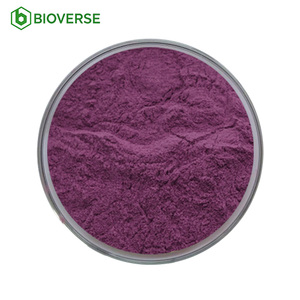
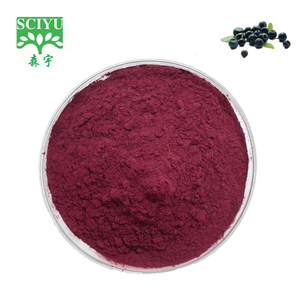
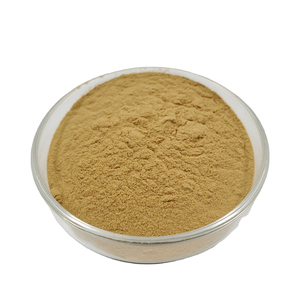
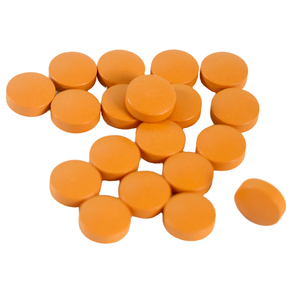
In modern industrial phytochemistry and contract nutraceutical production, raw plant material variations present significant formulation challenges. Variations in sunshine hours, soil composition, harvesting windows, and geographical provenance create natural fluctuations in bioactive secondary metabolites. As a primary manufacturer and global supplier adhering to rigorous CE and international quality regimes, our manufacturing philosophy is grounded in eliminating biological variances through scientific extraction, precise fraction purification, and tightly calibrated spray-drying kinetics.
Phytochemical extraction is no longer an artisanal craft; it is a high-precision chemical engineering discipline. Whether processing polyphenols from Sambucus nigra, bioactive sesquiterpenoids from Curcuma wenyujin, silymarin flavonolignans from Silybum marianum, or adaptogenic withanolides from Withania somnifera, our manufacturing facilities operate modern multi-stage countercurrent extraction systems. By monitoring temperature curves within ±0.5°C and optimizing vacuum distillation parameters, we preserve heat-sensitive active molecular moieties while preventing thermal pyrolysis and polymerisation artifacts.
Regulatory Compliance Insight: In strict alignment with European Pharmacopoeia (Ph. Eur.) and United States Pharmacopeia (USP) guidelines, all our botanical powder shipments carry full traceability down to the specific agricultural plot, harvest date, solvent extraction batch, and microbiological release testing certificate.
Modern B2B buyers require clean-label, low-toxicity processing solvents. Our factories utilize closed-loop recovery loops, employing predominantly food-grade hydro-ethanolic mixtures, aqueous decoctions, and supercritical CO2 fluid extraction circuits. This eliminates toxic chlorinated hydrocarbons and class-1 solvent residues entirely, guaranteeing that residual ethanol, ethyl acetate, or trace methanol remain well beneath the stringent thresholds established by ICH Q3C(R8) and Regulation (EC) No 396/2005.
| Analytical Parameter | Testing Methodology | Factory Baseline Standard | Pharmacopoeial Reference |
|---|---|---|---|
| Assay of Active Principle | Reversed-Phase HPLC-DAD / UV-Vis | ≥ Target Claim (e.g. 25% Anthocyanins) | Ph. Eur. 2.2.29 / USP ⟨621⟩ |
| Heavy Metals (Pb, As, Cd, Hg) | ICP-MS (Inductively Coupled Plasma) | Pb<3.0, Cd<1.0, Hg<0.1, As<1.0 ppm | Commission Reg (EU) 2023/915 |
| Pesticide Multiresidue Screen | LC-MS/MS & GC-MS/MS (500+ compounds) | Below European Limits of Quantification | Ph. Eur. 2.8.13 / EC 396/2005 |
| Microbiological Bioburden | Membrane Filtration / Plate Count | TAMC <10,000 CFU/g, TYMC <100 CFU/g | USP ⟨2021⟩ / ⟨2022⟩ |
| Particle Size & Mesh Distribution | Laser Diffraction / Mechanical Sieve | 100% pass 80 Mesh / 95% pass 100 Mesh | USP ⟨786⟩ Physical Tests |
For high-speed rotary tableting machines, hard-capsule encapsulation equipment, and automated sachet packaging lines, the physical morphology of plant powders is just as vital as their chemical assay. Poor flowability, irregular particle distribution, and low bulk density cause weight variation, hopper bridging, and formulation separation. We implement low-temperature fluid-bed agglomeration, vacuum belt drying, and ultrasonic micronization to ensure consistent bulk density (typically 0.45 to 0.65 g/mL) and Angle of Repose values below 35°, enabling direct compression without requiring synthetic flowing agents or anti-caking aids.
Bridging certified phytopharmaceutical engineering with international market access, dependable documentation files, and frictionless commercial logistics.
Operating in strict compliance with current Good Manufacturing Practices (cGMP) and ISO 22000 quality systems. Our manufacturing lines support kosher, halal, and clean-label non-GMO requirements for cross-border enterprise qualification.
Eliminate qualification delays with our comprehensive B2B compliance packs: Batch CoA, Safety Data Sheets (SDS), TSE/BSE statements, residual solvent profiles, non-irradiated declarations, and third-party laboratory verification data.
From water-dispersible fine powders to concentrated solvent extracts (10:1, 20:1, 50:1) and standardized single-chemical markers, our engineers match specifications precisely to your dosage format: capsules, RTD drinks, or functional foods.
The global botanical extracts and functional plant powders market is witnessing an unprecedented paradigm shift driven by legislative tightening, consumer transparency demands, and rapid advances in analytical chemistry. Procurement directors who manage bulk purchasing must adapt their sourcing strategies to navigate the following five macro trends reshaping the industry:
Historically, commercial plant powder sourcing relied heavily on arbitrary extraction ratios such as "10:1" or "20:1". These designations often mask weak raw material feedstock or excessive inert carrier bulking. Global brand owners are rapidly abandoning unstandardized ratios in favor of validated marker quantification via High-Performance Liquid Chromatography (HPLC) or Ultra-Performance Liquid Chromatography (UPLC). Buyers are establishing contracts tied strictly to guaranteed milligram-per-gram bioactive yield (e.g., total withanolides, monomeric anthocyanins, pure curcuminoids), ensuring undeniable therapeutic reproducibility in finished formulations.
Functional hydration beverages, effervescent powders, and ready-to-mix (RTM) stick packs demand superior water solubility without persistent turbidity, sediment flocculation, or lipophilic ring formation. The next generation of botanical powders relies on solvent-free microencapsulation technologies—utilizing natural plant acacia fibers, pea protein isolates, or cyclodextrin complexes. These advanced delivery matrices protect oxidation-sensitive phytochemicals during heat treatment (UHT or HTST pasteurization) while masking harsh botanical bitterness without artificial flavoring agents.
Economically motivated adulteration (EMA) remains an ongoing challenge in the global herbal supply chain. Unscrupulous suppliers frequently dilute high-value extracts with cheaper botanical cousins or synthetic dyes (such as adding exogenous colorants to elderberry or using synthetic cordycepin). To mitigate product liability risk, Tier-1 nutraceutical brands are embedding DNA barcoding (Next-Generation Sequencing) alongside traditional High-Performance Thin-Layer Chromatography (HPTLC) into their vendor qualification protocols. Sourcing directly from primary manufacturing facilities with traceable agricultural networks has become an indispensable baseline for risk mitigation.
Corporate sustainability mandates across Europe, North America, and the UK now demand comprehensive Scope 3 carbon emission accounting. Procurement departments increasingly prioritize suppliers utilizing regenerative agricultural models, solar-powered extraction facilities, and zero-waste byproduct strategies. For instance, fruit pomace derived from cold-pressed juicing operations is repurposed as high-purity anthocyanin powder, and extracted herbal residues are converted into organic agricultural compost or biomass fuel pellets.
Direct answers for purchasing executives, regulatory directors, and formulation chemists.
In the context of industrial plant powders, CE conformity demonstrates that our extraction equipment, production safety controls, environmental impact mitigation, and cleanroom air handling systems adhere strictly to harmonized European safety, health, and environmental standards. It affirms structural compliance across manufacturing facilities and processing integrity under strict regulatory frameworks.
Phytochemical testing discrepancies frequently arise from conflicting extraction preparation methods, column chemistries, or standard reference materials (e.g., testing silymarin by UV vs. HPLC can show a 20% variance). Our technical file provides our validated chromatographic method, specific column parameters, and mobile phase protocols. In cases of arbitration, we cross-test with accredited ISO 17025 third-party reference laboratories.
Yes. While hygroscopic or oily botanical matrices (such as high-sugar fruit extracts or resinous compounds) typically utilize a carrier like maltodextrin, gum arabic, or bamboo silica to facilitate atomized spray drying, we can provide carrier-free powders via freeze-drying (lyophilization) or vacuum belt drying based on your formulation needs.
Every shipment is dispatched with an export documentation packet: Lot-specific Certificate of Analysis (CoA), Certified Commercial Invoice, Packing List, Certificate of Origin, Safety Data Sheet (SDS), and custom statements regarding Non-GMO status, BSE/TSE freedom, allergen compliance, and residual solvents.
For catalog ingredients in routine production, our MOQ starts as low as 1 kg for analytical validation or 25 kg (one standard fiber drum) for commercial runs. Lead times for ex-stock materials are typically 3 to 7 business days for dispatch. Custom contract extractions or custom mesh specifications usually require a 2 to 4 week manufacturing cycle.
All bulk plant powders are packed in cleanroom environments into food-grade, heavy-duty double polyethylene inner liner bags, heat-sealed, and housed inside reinforced fiber drums with moisture-absorbing desiccant sachets. For air cargo or high-humidity ocean containers, secondary vacuum-sealed aluminum composite barrier bags are deployed.