Immunity & Energy
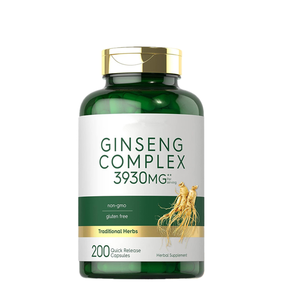
OEM/ODM American Red Panax Ginseng Extract Capsules 60s
HPLC Tested Ginsenosides | Pure Hard Gel/Veggie Cap

Precision-standardized active ingredients and full-spectrum extracts directly manufactured in cGMP-certified bio-refinery facilities.
The global nutraceutical, functional food, and dietary supplement marketplace is experiencing an unprecedented structural transformation. Driven by heightened consumer awareness of preventative health, rigorous post-pandemic wellness demands, and stringent regulatory compliance regimes, enterprise brand formulators are reassessing raw material supply networks. As the epicenter of botanical biomass cultivation, bio-refinery engineering, and advanced chemical extraction, China represents over 65% of the global botanical active ingredient export volume. However, navigating this expansive landscape requires technical mastery of phytochemistry, international quality assurance protocols, and proactive supply chain risk engineering.
Historically characterized by high-volume, bulk agrarian trading, modern Chinese ingredient manufacturing facilities have evolved into high-precision biotechnology enterprises. State-of-the-art processing plants located across key botanical corridors—from Shaanxi’s herbal extraction clusters to the agricultural provinces of Hunan, Zhejiang, and Jilin—now routinely implement continuous countercurrent extraction (CCE), supercritical CO2 extraction, molecular distillation, and multi-stage resin column chromatography. These technological upgrades allow domestic manufacturers to produce pharmaceutical-grade standardized extracts such as Panax Ginseng with ginsenosides reaching up to 80% (HPLC/UV), high-purity Silymarin up to 80%, and ultra-concentrated Curcuminoids reaching 95% standard specifications.
This technical modernization directly solves historically persistent procurement pain points: inter-batch variance, solvent residues, microbiological instability, and adulteration. Leading Chinese exporters now construct dual-layer quality gates combining internal GLP-compliant testing laboratories with globally recognized third-party validation platforms, ensuring that incoming biomass from GAP-certified farms translates into chemically consistent, compliant powders and oils destined for Western markets.
When qualifying an ingredient partner, QA directors and R&D formulators must evaluate complete technical dossier profiles rather than isolated pricing metrics. The table below delineates verified technical parameters enforced by top-tier Chinese ingredient factories:
| Ingredient / Botanical Origin | Marker Phytochemical | Standard Commercial Assay | Analytical Test Method | Key Contaminant Thresholds |
|---|---|---|---|---|
| Panax Ginseng (Root) | Total Ginsenosides (Rg1, Re, Rb1) | 5.0% – 80.0% | HPLC / UV-Vis | Pb < 2.0 ppm, As < 1.0 ppm, Cd < 1.0 ppm |
| Milk Thistle (Silybum marianum) | Silymarin / Silybin | 80.0% Silymarin / 30% Silybin | UV / HPLC | Residual Solvents (Acetone/EtOH) USP <467> |
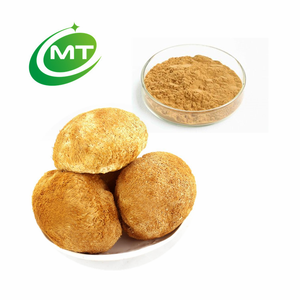
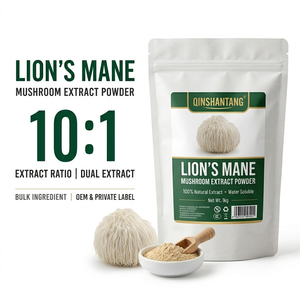
| Lion's Mane (Hericium erinaceus) | Polysaccharides / Beta-Glucans | 30.0% Beta-Glucans (Enzymatic) | Megazyme Assay / HPLC | Total Plate Count < 1,000 cfu/g; Yeast/Mold < 100 cfu/g |
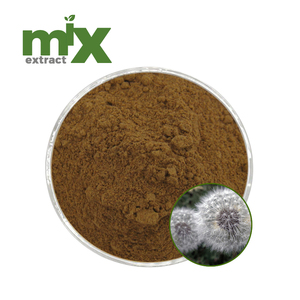
| Dandelion (Taraxacum mongolicum) | Total Flavonoids | 5.0% – 20.0% | UV-Vis Spectrophotometry | Pesticide Residue compliant with EU 396/2005 |
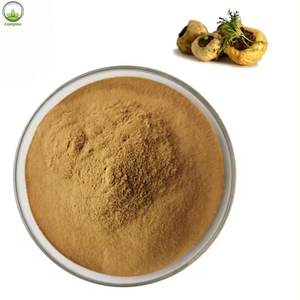
| Maca (Lepidium meyenii) | Macamides & Glucosinolates | 0.6% Macamide / 4:1 to 20:1 Ratios | HPLC / TLC Fingerprinting | Moisture < 7.0%, Heavy Metals Total < 10 ppm |
| Synthetic Geraniol Liquid | Geraniol / Terpenoid Content | > 98.0% Purity | GC-MS (Gas Chromatography) | Specific Gravity 0.875–0.890; No Residual Benzene |
As the international dietary supplement ecosystem matures, strategic sourcing managers are pivoting toward four decisive sourcing models:
Global regulators and tier-one contract manufacturers are systematically rejecting ambiguous "10:1" and "20:1" botanical ratios in favor of strictly quantified molecular marker profiles authenticated via chromatographic assays.
Western enterprise buyers demand end-to-end geographical transparency. Blockchain-verified biomass records, pesticide testing matching European Commission Maximum Residue Limits (MRLs), and heavy metal validation are now prerequisites for tier-1 supplier onboarding.
Traditional capsules and compressed tablets are being supplemented by functional gummies, liposomal liquid extracts, micro-encapsulated water-dispersible powders, and effervescents. Formulators need ingredients with optimized flowability, particle density, and neutral organoleptic properties.
The botanical manufacturing sector within China is transitioning rapidly beyond conventional solvent evaporation. Three significant engineering breakthroughs are defining next-generation production:
A. Green Solvent Extraction & Water-Dispersible Delivery: By replacing toxic chlorinated organic carriers with subcritical aqueous solvents, dual enzymatic degradation, and food-grade ethanol cycles, botanical extracts achieve zero residual solvent (VOC) footprints while preserving fragile phytochemical compounds like polyphenols and terpenes.
B. Bioavailability Amplification via Nano-Encapsulation: Hydrophobic phyto-compounds—such as Silymarin, Curcuminoids, and Maca sterols—traditionally suffer from poor intestinal absorption. Chinese production centers are leveraging high-shear micro-fluidization and cyclodextrin complexation to engineer micro-encapsulated grades exhibiting 5x to 8x higher bioavailability, ideal for ready-to-drink (RTD) functional beverages and liquid dietary supplements.
C. Dual Extract Standardization: As demonstrated in our Lion’s Mane (Hericium erinaceus) dual extract products, contemporary processing blends concentrated alcohol fractions (capturing hydrophobic diterpenoids such as hericenones) with hot-water extract fractions (rich in immunomodulatory beta-glucans), producing holistic therapeutic potency.
Partnering with our manufacturing and export organization provides international procurement teams with distinct, measurable advantages:
Operating under strict Class 100,000 cleanroom clean air protocols, certified compliant with ISO 9001, ISO 22000, FSSC 22000, Halal, and Kosher regulatory standards for absolute global acceptance.
Equipped with Agilent HPLC, GC-MS, Shimadzu UV-Vis spectrophotometers, and Atomic Absorption Spectrometry (AAS) to ensure accurate active marker assays and zero contamination.
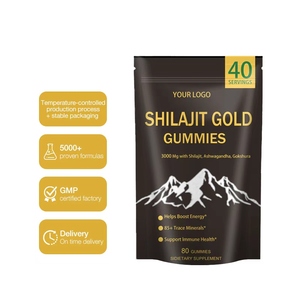
Complete custom capability spanning raw standardized bulk powders, custom mesh sizing, dry-blended granulates, and turnkey retail-ready formats including vegan capsules, compression tablets, and functional pectin gummies.
Critical verification checkpoints answered directly by our international compliance and regulatory operations team.
Every raw biomass lot undergoes botanical microscopic identification and Thin-Layer Chromatography (TLC) fingerprint testing against official pharmacopeia reference standards before processing. Finished lots are systematically assayed using validated HPLC methods to ensure authentic phytochemical distribution without synthetic spikes.
Every exported lot is shipped with a comprehensive Technical Dossier containing a batch-specific Certificate of Analysis (CoA), Product Specification Sheet (TDS), Safety Data Sheet (SDS/MSDS), Flow Chart, Non-GMO Statement, Allergen Declaration, BSE/TSE-Free Statement, and Irradiation-Free Certification.
Yes. Our dedicated export batches are tested via multi-residue GC-MS/MS and LC-MS/MS to ensure compliance with Regulation (EC) No 396/2005 for pesticide residues. Residual solvents strictly meet European Pharmacopoeia (EP) and USP <467> Class 1, 2, and 3 limit criteria.
For catalog standardized bulk extract powders, standard MOQ is 25 kg (fiber drum packaging), with pilot testing samples (50g–500g) dispatched via air courier in 24–48 hours. Custom extraction or full OEM/ODM finished packaging (capsules, gummies) typically operates on a 50,000 to 100,000 unit MOQ with 3–4 week lead times.
We enforce stringent microbiological limits (Total Aerobic Count < 1,000 cfu/g, Yeast & Mold < 100 cfu/g, zero Salmonella, E. Coli, and S. Aureus) using clean steam-sterilization. Heavy metals (Lead, Arsenic, Cadmium, Mercury) are quantified via ICP-MS to guarantee compliance with California Proposition 65 and international food hygiene statutes.
Yes. We offer customized particle size milling ranging from 60 mesh to 200 ultrafine mesh, wet granulation for direct tablet compression (DC grades), and spray drying with or without maltodextrin/rice flour carriers based on your clean-label product formulation guidelines.