Umami & Food Grade

Manufactured under strict clean-label parameters, chromatographic assay validation, and guaranteed non-porcine, ethanol-controlled Halal processing lines.
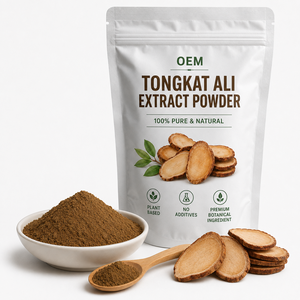
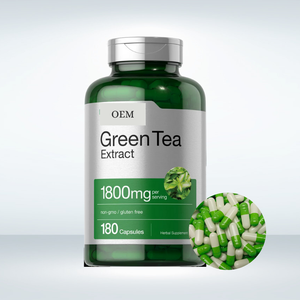
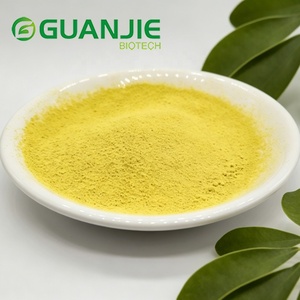
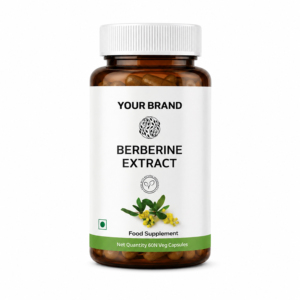
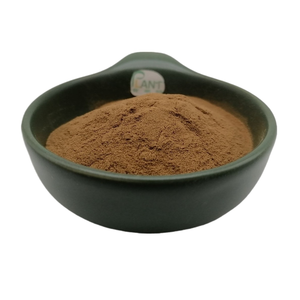
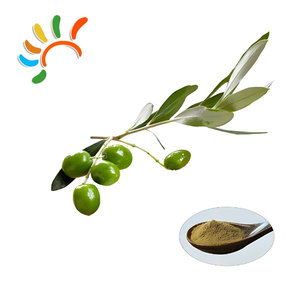
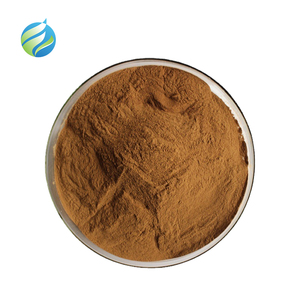
A technical overview for formulators, regulatory directors, and procurement heads operating in international nutraceutical, pharmaceutical, and functional food manufacturing.
The global halal nutraceutical and botanical extracts market has undergone an aggressive structural evolution. No longer confined to religious compliance within traditional Islamic economies, Halal certification today functions as a premier indicator of hygiene, non-toxicity, holistic auditability, and chemical safety worldwide. As multinational brand owners in North America, Western Europe, Southeast Asia, and the GCC seek scalable supply partnerships, China’s sophisticated phytochemistry extraction facilities have positioned themselves as the world's most resilient production backbone. However, operating within this ecosystem requires an acute, technical understanding of Halal critical control points (HCCPs) specific to botanical active processing.
The foremost compliance challenge in plant extraction involves solvent medium selection. Halal protocols prohibit synthetic intoxicating carriers and mandate stringent limits on residual ethanol. Our manufacturing utilizes advanced aqueous, subcritical water, or closed-loop super-critical fluid CO2 extraction to guarantee total compliance with global Islamic statutory limits (<0.5% in extraction aid recovery).
Botanical spray-drying necessitates carriers such as maltodextrin, gum arabic, or cyclodextrins. In unregulated environments, cross-contamination with porcine-derived gelatin or non-halal stearates during encapsulation, granulation, or tableting ruins batch integrity. Our lines maintain strictly partitioned, cleanroom-certified, porcine-free production perimeters.
Regulatory fragmentation remains a significant obstacle for global distributors. An export certified merely on domestic criteria often fails entry in Jakarta (BPJPH/MUI) or Putrajaya (JAKIM). We validate every export through certification bodies aligned via bilateral mutual recognition agreements, backed by transparent batch-specific testing.
For research and development scientists, standardizing pure botanical constituents such as 98% Fisetin, Eurycomanone in Tongkat Ali, or standardized Polyphenols is merely one half of the equation; proving absolute batch traceability from seed cultivation in certified agricultural bases to cleanroom drum loading constitutes the real operational benchmark. As European pharmacopeial rules, FDA cGMP, and Halal oversight converge, manufacturers who fail to establish end-to-end documentation fail qualification audits before lab evaluation ever begins.
Forecasting macro trends in botanical raw material procurement, green chemistry, and clean-label compliance for 2025–2030.
| Procurement Trend | Technological Driver | Halal & Quality Impact | Market Application | Adoption Status |
|---|---|---|---|---|
| Green CO2 & Subcritical Extraction | Elimination of volatile organic compounds (VOCs) and petrochemical solvents. | Completely eliminates ethanol residues; yields clean, solvent-free certificates of analysis. | Lipophilic actives, adaptogenic roots, premium anti-aging senolytics (e.g., Fisetin). | High Growth |
| DNA Barcoding & Botanical Authentication | High-throughput genomic sequencing preventing adulteration with toxic or non-halal species. | Guarantees exact taxonomic identity (e.g., Eurycoma longifolia vs. counterfeit wood powders). | Sports formulations, metabolic extract blends, single-herb monographs. | Mandatory Baseline |
| Halal-Certified Microencapsulation | Plant-based polysaccharide matrix shields unstable polyphenols and volatile oils. | Replaces bovine or non-certified pork gelatin envelopes with pea starch, acacia, or HPMC. | Ready-to-drink functional beverages, clean-label gummies, effervescent drink powders. | Rapid Emergence |
| Automated Blockchain Traceability | Digital ledger logging raw herb collection, extraction parameters, and lot testing. | Ensures instantaneous validation for customs clearance in GCC, EU, and Southeast Asian ports. | Pharmaceutical contract manufacturing (CMO) and enterprise OEM brands. | Enterprise Standard |
Procurement teams are aggressively shifting from harsh chlorinated hydrocarbon systems toward pure water, bio-fermentation ethanol, and non-solvent steam extractions. Global consumers evaluate certificates of analysis for residual parts-per-million (PPM) traces, transforming solvent purity from a compliance detail into a core marketing asset.
Monolithic single-ingredient powders are yielding ground to clinically rationalized synergistic complexes. Formulators pair standardized polyphenol arrays (such as Olive Leaf Oleuropein and Green Tea EGCG) with metabolic stabilizers like Berberine HCl to maximize physiological bioavailability while maintaining unified Halal certification across every input.
With the harmonization of USP <561> and EP pesticide residue standards, global buyers mandate screen testing across 400+ agricultural contaminants. Chinese high-tier exporters have integrated in-house ICP-MS and LC-MS/MS equipment to verify Lead (<0.5 ppm), Arsenic, Cadmium, and Mercury prior to port delivery.
Combining industrial scale, modern chromatographic laboratories, and audited cGMP infrastructure to de-risk botanical procurement for enterprise manufacturers.
Every extract batch is refined within computerized cleanrooms adhering to cGMP protocols, featuring dedicated air handling to prevent airborne cross-contact and maintain batch integrity across multi-ton production cycles.
We eliminate QA documentation bottlenecks. Every delivery ships complete with validated HPLC chromatograms, heavy metal assays, residual solvent declarations, non-GMO affidavits, and active Halal certs.
From custom particle mesh distributions (80 mesh to ultra-fine 200 mesh) to targeted carrier ratios, water-dispersibility adaptations, and bulk density controls, our engineers adjust specifications to fit high-speed encapsulation and tableting lines.
With integrated cold-chain and dry freight channels across North America, Europe, the Middle East, and Asia-Pacific, we handle Incoterms from FOB to DDP with prompt customs verification and export documentation.
Direct technical answers addressing regulatory verification, minimum volume tiers, sample requests, and quality validation.
Our extraction facilities undergo independent audits by accredited Islamic certification bodies. We verify that no animal-derived processing aids, swine greases, or non-permissible defoaming agents contact the line. Solvents are limited to purified water, supercritical CO2, or tightly regulated extraction-grade ethanol where finished residues remain strictly below international halal thresholds.
Every delivery includes a batch-specific Certificate of Analysis (CoA) documenting standardized active percentages (HPLC/UV/Titration), moisture content, bulk density, particle size, microbial counts (total plate, yeast, mold, salmonella, E. coli), heavy metal screenings (Pb, As, Cd, Hg), and pesticide residues alongside Halal and Kosher declarations.
Yes. We routinely provide 50g to 200g pilot samples along with representative batch CoAs and Safety Data Sheets (SDS) for pilot batch testing, active compound confirmation, in-house solubility profiling, and QA team approval. Expedited courier dispatch guarantees global sample delivery within 3 to 7 business days.
Yes. Beyond standard catalog specifications, our technical team formulates customized extraction ratios (e.g., 10:1, 50:1, 100:1, 200:1), specific active fractions, low-hygroscopicity spray-dried powders, custom excipient balancing (non-GMO corn starch, dextrin, rice flour), and pre-formulated private-label capsules or tablets.
For standard catalog extracts held in stock, our minimum order quantity starts at 1 kg for pilot testing and 25 kg (single fiber drum) for commercial distribution. Custom production runs require a baseline between 100 kg to 500 kg depending on raw material seasonality, with lead times typically ranging from 10 to 20 business days.
We deploy validated High-Performance Liquid Chromatography (HPLC), Ultraviolet-Visible Spectroscopy (UV-Vis), Gas Chromatography (GC), and Thin-Layer Chromatography (TLC) matching reference monographs from USP, EP, or ISO standards. Every assay report specifies the exact reference standard, retention times, and column parameters utilized.
Connect with our senior technical procurement desk. Access certified product monographs, latest batch Certificates of Analysis, stability data, and wholesale volume pricing.