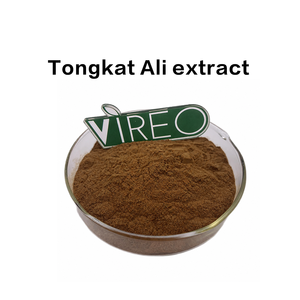

Direct from our cGMP, ISO, Halal, and Kosher certified manufacturing plants. Each bulk batch delivers standardized active marker integrity verified by HPLC, LC-MS, and GC testing protocols.
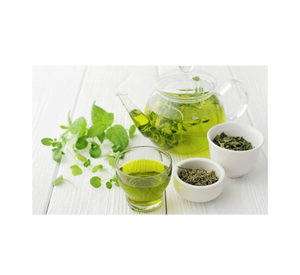
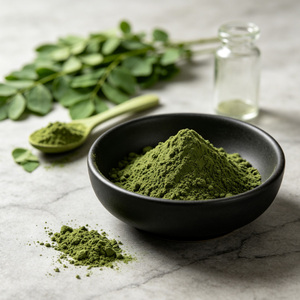
Operating beyond conventional broker operations, our factory combines Chinese botanical farming depth with international pharmaceutical testing protocols to secure your global supply chain.
Our processing units utilize continuous counter-current extraction, supercritical fluid extraction (SFE-CO2), and industrial-scale nanofiltration membranes. This infrastructure guarantees high yield retention of unstable phytocompounds like anthocyanins, ginsenosides, and polyphenols while preventing chemical solvent carryover.
Every commercial production campaign undergoes third-party verifiable testing across 5 critical dimensions: Chromatographic Fingerprinting (HPLC/UPLC/GC-MS), Heavy Metal screen (ICP-MS for Pb, As, Cd, Hg conforming to USP <2232>), Pesticide Residue screening (GC-MS/MS against 400+ compounds under EP 2.8.13), and Microbiological monitoring.
Collaborating seamlessly through our UK account liaison infrastructure, international procurement teams bypass communication barriers and regulatory gaps. We supply comprehensive Technical Data Packages (TDP), including Flow Charts, TSE/BSE Statements, Non-GMO Declarations, Residual Solvent Profiling (USP <467> Class 1, 2, 3), and allergen declarations.
A technical examination of macro trends transforming raw material supply, ingredient engineering, and quality documentation across the dietary supplement landscape.
A major systemic challenge in nutraceutical manufacturing is the poor aqueous solubility and rapid metabolic clearance of core hydrophobic molecules—most notably curcuminoids, cycloastragenol, and silymarin. Traditional botanical powders exhibit limited biological uptake, resulting in consumer demand for higher dosages and consequently larger capsule dimensions that compromise patient compliance.
Leading China manufacturers are shifting from simple maceration/evaporation processes to advanced material sciences. The incorporation of solid lipid nanoparticles (SLN), self-emulsifying drug delivery systems (SEDDS), and cyclic dextrin molecular inclusion allows factory-level manipulation of active release profiles. For example, micronized water-soluble curcumin allows drink manufacturers to maintain crystalline stability in functional liquids without sedimentation or phase separation, bypassing the necessity of synthetic surfactant additives.
Global regulatory bodies, including the US FDA, EFSA, and MHRA, have escalated inspection rigor concerning raw material identity. High-performance liquid chromatography (HPLC) with diode-array detection, while robust for quantifying marker compounds, cannot solely eliminate economically motivated adulteration where extracts are spiked with isolated single-molecule synthetic analogues or cheaper botanical species (e.g., substituting Panax ginseng with Panax quinquefolius or adulterating elderberry with black rice anthocyanins).
Our production facilities enforce DNA barcoding and High-Performance Thin-Layer Chromatography (HPTLC) fingerprint mapping prior to biomass loading. By aligning botanicals to distinct phytochemical chromatographic baselines established by national pharmacopoeias, contract formulation brands maintain absolute legal certainty against adulteration warnings and Class I/II consumer recall exposures.
The pharmaceutical and functional food industry faces increasing environmental accountability across its upstream supply chain. Traditional processing relying heavily on hexane, ethyl acetate, or high volumes of methanol faces tightening regulatory limits under EU Regulation 2023/915 and FDA guidance. Factory investments are now steered toward zero-emission hydro-ethanolic extraction loops, closed-circuit solvent recovery units boasting >96% reclamation efficiency, and water-phase membrane fractionation. Raw ingredient sustainability profiles now directly determine brand eligibility for retail shelf space in European and North American superstores.
| Ingredient Target | Origin Botanical Part | Standardized Marker | Industrial Grade Available | Analytical Technique |
|---|---|---|---|---|
| Green Tea Extract | Camellia sinensis Leaf | Total Polyphenols / EGCG | 50%–98% Polyphenols, <0.5% Caffeine | HPLC / UV-Vis |
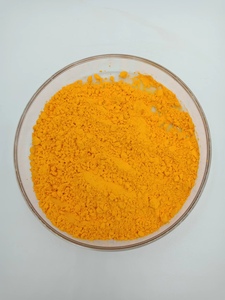
| Turmeric Extract | Curcuma longa Rhizome | Curcuminoids (Curcumin, Demethoxy, Bisdemethoxy) | 95% Curcuminoids (Water-Dispersible) | HPLC Reversed-Phase |
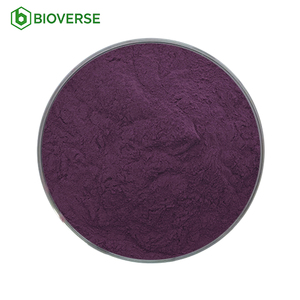
| Elderberry Extract | Sambucus nigra Fruit | Total Anthocyanins (Cyanidin-3-glucoside) | 5%, 10%, 25% Water-Soluble Powder | pH Differential / HPLC |
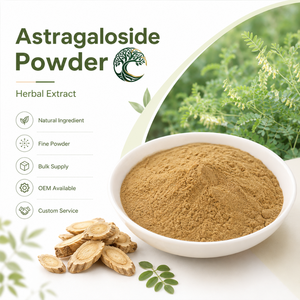
| Astragalus Extract | Astragalus membranaceus Root | Cycloastragenol / Astragaloside IV | 10% to 98% Ultra-Pure Cycloastragenol | HPLC-ELSD |
| L. Casei Probiotic | Biotech Fermentation | Viable Lactic Acid Bacteria | 100 Billion to 500 Billion CFU/g | Plate Count (ISO 7889) |
How visionary nutraceutical enterprises must calibrate procurement frameworks to maintain margin stability, regulatory compliance, and formulation differentiation.
Global logistics disruptions and geopolitical tariff revisions underscore the risks of ad-hoc spot purchasing. Forward-thinking supplement brands are establishing structured 12-to-24-month master supply agreements with primary Chinese factories, locking in raw material volume reserves right after seasonal botanical harvests (e.g., Autumn Ginseng harvests in Jilin or Spring tea leaf cycles in Zhejiang).
While field-grown botanicals remain foundational, cell-culture engineering and precision probiotic fermentation are transforming the functional landscape. Advanced strains like freeze-dried Lactobacillus casei, synthesized rare ginsenosides (Rg3, Rh2), and bio-identical flavonoids created through enzymatic transformation deliver consistency unimpeded by crop failures, rainfall deficits, or agrarian soil contamination.
The layers of markups and information obfuscation created by regional brokers are rapidly disappearing. Modern QA directorship demands transparent factory audits (virtual or in-person), on-demand verification of batch manufacturing records (BMR), direct access to analytical chemists, and complete ownership of raw-material import master files.
Direct, unambiguous responses addressing the practical requirements of international QA analysts, procurement managers, and formulation scientists.
We implement strict raw material botanical specification matching based on geographical origin (GAP-certified cultivation regions). Extraction processes follow automated Programmable Logic Controller (PLC) systems controlling extraction timing, solvent-to-biomass ratios, temperature curves, and vacuum pressure. Each finished blend is harmonized across lots to meet explicit reference marker margins (±1–2%) prior to formal release under the batch Certificate of Analysis (CoA).
Each commercial dispatch includes a comprehensive technical file: Lot-specific Certificate of Analysis (CoA), Product Specification Sheet, Material Safety Data Sheet (MSDS/SDS under GHS guidelines), Process Flowchart, BSE/TSE-Free Statement, Non-GMO Attestation, Allergen Statement, Residual Solvent Analysis (USP <467>), and Heavy Metal ICP-MS data sheets.
For standard catalogue ingredients (e.g., Curcumin 95%, Green Tea Extract, Elderberry Extract), standard warehouse MOQ starts at 25 kg (fiber drum packaging). For pilot formulations, bench-scale testing, or analytical validation, we provide 50g–200g complimentary evaluation samples alongside the respective batch CoA and MSDS. Bespoke synthesis or custom milling requires project-based MOQs.
Yes. Our drying facilities incorporate fluidized bed spray granulators and oscillating granulators capable of tailoring particle size distribution from ultra-fine powders (120–200 mesh) suited for instant beverage dissolution, up to agglomerated, DC-grade (Direct Compression) granules (40–80 mesh) engineered with optimal bulk density and low angle of repose for high-speed tablet and capsule manufacturing.
In-stock materials are staged, re-tested, and ready for dispatch within 3–5 working days following purchase order confirmation. Air freight dispatches (door-to-door via DHL/FedEx/Specialized Air Freight) generally arrive in 5–8 business days globally. Ocean freight shipments (FCL/LCL under Incoterms EXW, FOB, CIF, or DDP) typically range between 20 to 35 calendar days depending on European or American port of arrival.
Our extraction batches are pre-screened to align precisely with destination regulations. Shipments destined for Europe comply strictly with EC 396/2005 (pesticide residues) and EC 2023/915 (contaminants). Materials routed to the United States conform to USP microbiological limits (<61> and <62>) and AHPA guidelines, verified via steam sterilization or validated irradiation when authorized.
Consult with our scientific procurement teams in the UK and China factory engineers. Access current stock inventories, request evaluation samples, or initiate custom active standardization.