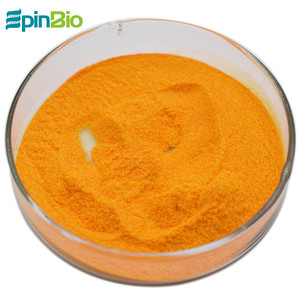
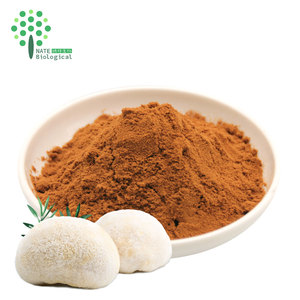
Direct supply from audited GMP-certified extraction lines. Guaranteed batch-to-batch chemical stability, low solvent residue, and comprehensive chromatographic verification.
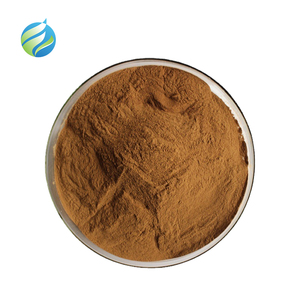
The global botanical sector is experiencing a paradigm shift from simple herbal powders toward scientifically validated, highly standardized active phytochemical profiles. China, dominating over 70% of the world's raw Panax ginseng harvest (principally concentrated in the Changbai Mountain corridor of Jilin Province), has evolved from a bulk agricultural supplier into the foremost epicenter of advanced solvent-fractionation, membrane separation, and ultra-fine micronization technologies.
Historically, crude ginseng procurement was hampered by erratic ginsenoside content, high agricultural pesticide residues, and variable drying methods that compromised thermolabile glycosides. Today, tier-one Chinese manufacturing plants implement GAP (Good Agricultural Practices) coupled with cutting-edge clean-energy extraction pipelines. For brand formulators, procurement directors, and contract development and manufacturing organizations (CDMOs), understanding the distinction between native protopanaxadiol (PPD) and protopanaxatriol (PPT) group ginsenosides—such as Rb1, Rb2, Rc, Rd, Re, and Rg1—is critical for engineering verifiable adaptogenic, immunomodulatory, and neuroprotective formulations.
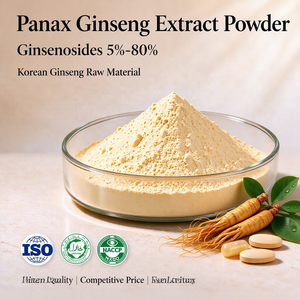
Our extraction infrastructure integrates non-thermal continuous countercurrent extraction, porous resin adsorption, and spray-drying towers operating under cleanroom conditions. This guarantees that our Ginseng Root Extract Powder consistently achieves targeted assays from 5% to 80% total ginsenosides verified via high-performance liquid chromatography (HPLC) or ultraviolet-visible spectrophotometry (UV-Vis), in strict accordance with the standards set forth by USP, European Pharmacopoeia (EP), and Chinese Pharmacopoeia (ChP).
Navigating global regulatory shifts, bio-enhancement demands, and clean-label standards in international ingredient commerce.
Global formulation trends are rapidly gravitating toward hydrolyzed minor ginsenosides, particularly Compound K, Rh2, and Rg3. Because major ginsenosides exhibit poor intestinal permeability, specialized enzymatic hydrolysis and microbial fermentation are becoming industry prerequisites to deliver enhanced bioavailability directly to consumer bloodstream targets.
Global regulatory bodies (notably the European Commission and US FDA) are actively enforcing zero-tolerance policies for Ethylene Oxide (ETO) and strict limits on multiresidue pesticides. Modern sourcing frameworks require suppliers to employ supercritical fluid extraction or high-vacuum desorption, ensuring compliance with USP <561> limits without altering root sensory profiles.
Species adulteration—such as substituting genuine Panax ginseng C.A. Meyer with cheaper Panax quinquefolius (American Ginseng) or spent exhausted root residues—is now rigorously detected via genomic PCR testing and high-resolution fingerprinting. Leading procurement teams demand full genetic and geographic provenance declarations from seed to container.
Reference analytical benchmarks maintained across our export batches for contract blending and direct encapsulation.
| Active Ingredient / Botanical | Part Utilized | Key Marker Compounds | Assay Testing Standard | Mesh Size & Solubility |
|---|---|---|---|---|
| Panax Ginseng Root Extract | Dried Rhizome / Rootlets | Ginsenosides 10%–80% (Rb1, Rg1, Re) | HPLC / UV-Vis Spectrophotometry | 80–100 Mesh; 100% Water Dispersible |
| Korean Red Ginseng Extract | Steamed / Cured Taproot | Ginsenosides Rg3, Rh1, Rh2 (5%–20%) | Validated HPLC Monograph | 80 Mesh; Fine Soluble Powder |
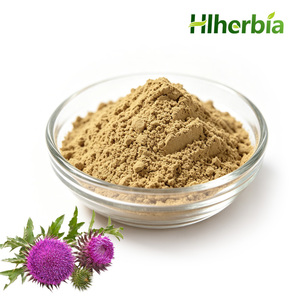
| Milk Thistle Extract | Dried Seeds | Silymarin 80% (Silybin 30%) | UV-Vis / HPLC (Ph. Eur.) | 80 Mesh; Hydro-alcoholic fraction |
| Curcumin Root Extract | Curcuma longa Rhizome | Curcuminoids 95% (Curcumin, DMC, BDMC) | HPLC Gradient Assay | 100 Mesh; Liposomal / Hydrophilic options |
| Lion's Mane Mushroom Extract | Fruiting Body | Polysaccharides 30%–50% / Beta-Glucans | UV-Vis Colorimetric / Enzymatic | 80 Mesh; Aqueous Extracted |
Bridging Chinese botanical cultivation scale with rigorous international QA compliance and Western documentation standards.
Extracts are refined within state-of-the-art workshops adhering strictly to ISO 9001, ISO 22000, and cGMP protocols. Our facilities maintain current Halal, Kosher, and Organic (NOP/EU) certifications, allowing swift access into regulated markets worldwide.
Eliminate supplier verification hold-ups. We furnish every shipment with lot-specific Certificates of Analysis (CoA), Technical Data Sheets (TDS), Safety Data Sheets (SDS), Non-GMO statements, Allergen audits, and residual solvent clearances (ICH limits).
Beyond raw powder distribution, we engineer bespoke functional specs: custom bulk density for high-speed tableting, ultra-micronized 200-mesh powders for smooth beverage dispersion, and carrier-free granules designed specifically for clean-label stick packs.
Technical and commercial clarifications for raw material buyers, procurement specialists, and quality teams.
UV spectrophotometry tests total reducing substances absorbable at specific wavelengths, which can artificially inflate reported ginsenoside percentages due to non-target saponins. HPLC chromatography separates and quantifies each individual ginsenoside monomer (such as Rg1, Re, Rb1, Rc, Rd), providing unambiguous, repeatable assay accuracy mandatory for pharmaceutical and regulated supplement filings.
We source all raw Panax roots exclusively from contracted plantations with monitored soil and low heavy-metal baselines. During aqueous-ethanolic extraction, dedicated inline heavy-metal complexation and closed-loop evaporation prevent environmental ingress, ensuring total Lead, Arsenic, Cadmium, and Mercury strictly adhere to European Commission No 1881/2006 regulations.
Yes. Standard grades are milled to 80 mesh, ideal for hard gelatin encapsulation and tableting. For functional RTD beverage formulations or effervescent sachets, we produce 100% cold-water-dispersible powders or ultra-fine 120–200 mesh grades via specialized air classification milling.
Standard export packaging consists of 25 kg net weight fiber drums with dual pharmaceutical-grade food-contact polyethylene inner bags, vacuum-sealed with food-grade desiccant. Our standard MOQ starts at 25 kg for commercial lots, with pre-shipment evaluation samples (100g–500g) dispatched globally via express courier.
Consult with our phytochemists and supply managers. We provide technical CoAs, method validation summaries, and competitive contract pricing within one business day.
Send an Inquiry