
Manufactured under rigorous cGMP protocols and verified by validated chromatographic assays (HPLC, GC-HS, LC-MS/MS). Each lot includes a complete regulatory technical file, safety data, and analytical Certificate of Analysis.
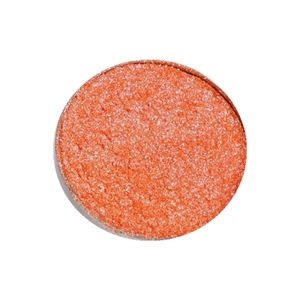
High-purity potassium aluminum silicate substrate coated with iron oxide. Low heavy metal profile (<0.5 ppm Pb, As), ideal for pharmaceutical oral solid dosage coating and functional confections.
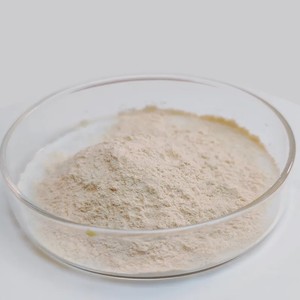
Microencapsulated, cryoprotected live probiotic culture engineered for superior gastric acid survival and thermal resistance. Batch-verified by flow cytometry and selective plate counts.
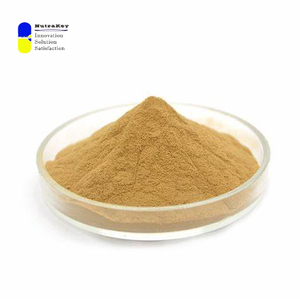
Concentrated phytonutrient source abundant in L-citrulline, magnesium, and essential amino complexes. Supercritical and hydro-extracted without residual hydrocarbon trace limits.
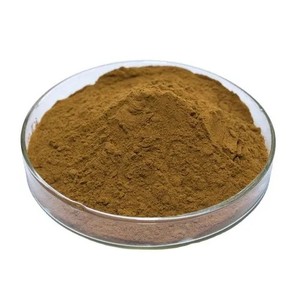
Clean-label aqueous extracted Bacopa monnieri standardized strictly to 20% bacoside content. Full compliance with USP monograph limits for elemental impurities and residual pesticides.
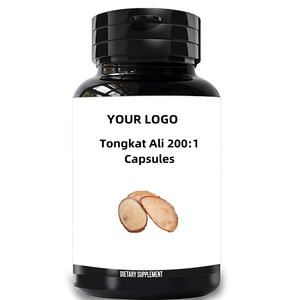
Sustainably wildcrafted Eurycoma longifolia standardized to high bio-active eurycomanone fractions. Supported by chiral chromatographic authenticity testing against synthetic adulteration.
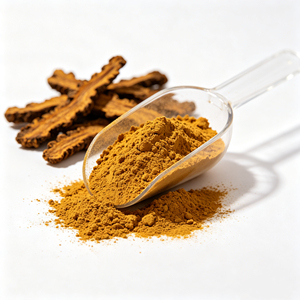
Purified isoquinoline alkaloid matrix delivering potent metabolic and gut microbiome regulatory activity. Documented compliance with ICH Q3D heavy metals and zero ethylene oxide treatment.
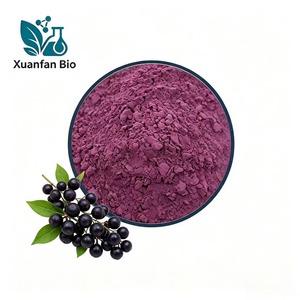
Solvent-free ultra-filtration extracted European black elderberry extract, standardized to verified anthocyanin markers. Superior cold-water dispersibility for functional syrup and tablet presses.
Refined Silybum marianum extract characterized by complete silybin A, silybin B, and isosilybin chromatographic profiles. Excellent stability profile for human pharmaceutical and pet health delivery systems.
Navigating cross-border API procurement requires uncompromised alignment with strict health authorities, including the US FDA, EMA, Health Canada, and the UK MHRA. As a premier Chinese manufacturer and global exporter, our operational philosophy is rooted in the ICH Q7 Good Manufacturing Practice Guide for Active Pharmaceutical Ingredients.
We eliminate supply chain latency by providing comprehensive technical dossiers prior to shipment. Every commercial batch is qualified with a full impurity profile, stability data generated under accelerated and long-term zones (ICH Q1A R2), genotoxic nitrosamine risk assessments, and elemental impurity profiles tested via validated Inductively Coupled Plasma Mass Spectrometry (ICP-MS) in accordance with ICH Q3D.
Our analytical testing center operates under ISO/IEC 17025 governance, functioning as an impartial verification gatekeeper. We implement chromatographic, spectroscopic, and physical characterization technologies to safeguard our worldwide clientele from batch inconsistency, physical polymorphism variances, and adulteration.
As the international life sciences landscape faces geopolitical realignments, decarbonization mandates, and intensifying regulatory audits, B2B procurement leaders must anticipate structural shifts across China’s chemical and phytochemical supply chains.
While Western drug developers implement "China+1" diversification models, China retains unrivaled structural dominance in basic chemical intermediates, fine chemicals, and commercial raw herb agricultural networks. Forward-looking procurement strategies have evolved from pure relocation to strategic direct partnerships with audited, vertically integrated Chinese API titans capable of multi-site continuity.
Regulatory authorities worldwide have expanded the oversight of cohort-of-concern mutagenic impurities, including N-nitrosamines (NDMA, NDEA) and secondary amine degradants. Procurement protocols in 2025 and beyond now necessitate pre-purchase synthetic route audits to definitively preclude azide-based catalysts and recycled contaminated solvents.
Multinational pharmaceutical corporations are mandating Scope 1, 2, and 3 emissions visibility from their upstream Asian suppliers. China's top-tier API manufacturers are aggressively decommissioning coal-fired boilers, investing in closed-circuit zero-liquid-discharge (ZLD) effluent facilities, and adopting biocatalytic synthetic routes that dramatically curtail process mass intensity (PMI).
The traditional batch synthesis paradigm is rapidly transitioning toward high-efficiency continuous processing, biomanufacturing, and advanced particle engineering to overcome poor solubility and tight pharmacopoeial thresholds.
Continuous flow chemistry replaces multi-ton glass-lined batch reactors with micro-channel fluidic networks for hazardous, highly exothermic, or cryogenic synthetic steps (e.g., nitration, halogenation, organolithium reactions). This guarantees superior stoichiometric control, minimal thermal degradation, and near-zero impurity byproduct formation.
Engineered transaminases, ketoreductases, and cytochrome P450 enzymes are displacing toxic heavy metal catalysts (such as palladium or platinum). In botanical extraction, synthetic biology facilitates the enzymatic fermentation of rare glycosides (e.g., Ginsenosides Rh2/Rg3), offering ultra-pure isomers without botanical depletion.
Over 70% of novel chemical entities exhibit BCS Class II or IV poor aqueous solubility. Leading Chinese export facilities integrate sonocrystallization, spray freeze-drying, co-crystallization, and jet-milling to achieve strictly designated crystal habits and narrow particle size distributions (D90 < 5 µm), ensuring optimized bioavailability.
Technical reference standard comparing common global pharmacopoeial monographs against our in-house export criteria, illustrating our proactive analytical compliance standards.
| Active Molecule / Extract | Primary Marker / Assay | Pharmacopeia (USP / EP / ChP) | Assay Standard | Residual Solvents (ICH Q3C) | Release Verification |
|---|---|---|---|---|---|
| Berberine Hydrochloride (Coptis Extract) | Isoquinoline Alkaloids (C20H18ClNO4) | Ph. Eur. / USP / ChP | 97.0% – 102.0% (Anhydrous) | Methanol < 3000 ppm, Ethanol < 5000 ppm | HPLC Assay Batch Certified |
| Silymarin / Silybin Complex (Milk Thistle) | Total Flavonolignans calculated as Silybin | USP / Ph. Eur. | Silymarin ≥ 80.0%, Silybin ≥ 30.0% | Acetone < 5000 ppm, Hexane < 290 ppm | Spectrophotometric & HPLC Verified |
| Bacopa Monnieri Extract | Bacosides A3, Bacopaside II, Jujubogenin | USP Dietary Supplement Monograph | Total Bacosides ≥ 20.0% (HPLC) | Aqueous extraction (Zero Class 1/2) | Water-Extracted, Ph. Eur. Pesticides Clear |
| Lactobacillus Casei Active Culture | Viable Lactic Acid Bacterial Biomass | FCC / In-House Food Pharma Grade | ≥ 1.0 × 10^11 CFU/g (Lyophilized) | Lyophilized matrix (Zero solvents) | Flow Cytometry & Pathogen Screen Clear |
| Sambucus Nigra (Elderberry) Active | Total Monomeric Anthocyanins as C3G | Ph. Eur. / Proprietary In-House | 10.0% – 25.0% Total Anthocyanins | Ethanol-Water Only (Class 3 < 5000 ppm) | DNA Barcoded Authenticity Certified |
Direct technical guidance compiled by our Senior Regulatory Affairs and Global Logistics Teams to streamline supplier qualification and customs clearance for overseas pharmaceutical buyers.
For human drug actives, we supply an exhaustive technical dossier consisting of a complete Certificate of Analysis (CoA), Drug Master File (US FDA DMF Type II Open Part / EDQM ASMF), Letter of Access (LoA), TSE/BSE risk assessment, GMO-free statements, and residual solvent reports under ICH Q3C. For customized excipients or herbal extracts, stability profiles (ICH Q1A) and detailed manufacturing flowcharts are integrated.
Every commercial production campaign operates under automated DCS (Distributed Control System) supervision. Crystallization kinetics, temperature gradients, and agitation rates are rigorously regulated to prevent polymorphic transformations. Bulk lots undergo X-ray Powder Diffraction (XRPD) and Differential Scanning Calorimetry (DSC) to confirm single-phase crystal integrity and uniformity prior to release.
We support formulation feasibility trials by offering non-commercial pilot samples (typically 50g–500g) accompanied by batch-specific analytical test data. Commercial scale MOQs begin at 25 kg for high-potency active ingredients and specialized standardized extracts (packed in triple-layer pharmaceutical polyethylene-lined drums), scaling up to full multi-ton container loads for bulk commodities.
Thermolabile biological actives (e.g., probiotics, enzymatic concentrates, and polyphenol extracts) are packaged in heat-sealed aluminum-foil moisture-barrier enclosures alongside inert nitrogen flushing. For sensitive APIs, temperature-controlled reefer sea containers or active dry-ice airfreight logistics with single-use USB data-loggers are deployed to deliver comprehensive temperature telemetry upon port arrival.
Yes. Equipped with nitrogen-inert loop fluid energy jet mills, our cleanroom processing suites (Class D / ISO Class 8) can micronize APIs and botanical powders to bespoke particle distributions—such as D50 < 2.5 µm or D90 < 10 µm—without thermal degradation. We systematically evaluate loose and tapped bulk density, Carr’s Index, and Hausner ratio to optimize direct powder filling efficiency.
We welcome both virtual and on-site cGMP audits conducted by qualified QA personnel or designated third-party auditing firms (e.g., SGS, Eurofins). Our team provides open access to validation master plans, water system monitoring data (USP Purified Water / WFI), environmental monitoring logs, change control documentation, and complete CAPA (Corrective and Preventive Action) histories.
Connect directly with our senior application chemists and regulatory compliance specialists. Request compendial product specifications, current batch CoAs, pilot evaluation samples, or formal commercial wholesale quotations.