China Wholesale Bulk Herb Powders Supplier & Exporter

Standardized Botanical Extracts, High-Purity Phytochemicals & Complete GMP Technical Dossiers

Pharmaceutical-Grade Wholesale Botanical Extracts & Actives

Delivering high-efficacy, fully characterized raw materials for dietary supplements, functional beverages, and nutraceutical contract manufacturers globally. Validated by high-performance analytical assay testing (HPLC, UV, GC-MS) and shipped under strict international compliance standards.

40+
Standardized Phytochemical Actives
50+
Export Destination Markets
100%
Batch Analytical CoA Verification
GMP/ISO
Certified Processing Facilities

Strategic Guide: Sourcing Bulk Botanical Extracts & Herb Powders from China

As international regulatory frameworks like the US FDA 21 CFR Part 111, European Union Botanical Food Supplements Directives, and Health Canada NNHPD enforce stricter thresholds for raw ingredient characterization, the procurement landscape for wholesale plant extracts has shifted irreversibly from spot market purchasing to end-to-end supply chain integration.

China continues to supply over 70% of the world’s crude botanical raw materials, but enterprise contract manufacturing organizations (CMOs) now require rigorous chemical validation, botanical identity integrity, and zero supply interruption. Navigating this dynamic requires a detailed understanding of extract ratios versus standardizations, batch contaminant kinetics, and global compliance standards.

1. Future Procurement Trends: Technical Standardization Over Raw Ratios

Historically, botanical procurement relied heavily on extraction ratios (e.g., 4:1, 10:1, or 200:1). In modern dietary supplement formulation, ratio-based sourcing poses severe bioavailability risks due to seasonal variance in wild-harvested raw herbs. Current and future procurement strategies mandate standardized marker compound titration:

  • Validated Chromatography: High-Performance Liquid Chromatography (HPLC) is replacing non-specific spectrophotometry (UV-Vis) to avoid false-positive quantification in polyphenols, flavonoids, and saponins caused by adulterant compounds.
  • High-Absorption Derivatives: As seen with compounds like Dihydroberberine (CAS 483-15-8), formulators prefer bio-enhanced metabolites that achieve plasma saturation at significantly lower milligram doses compared to conventional Berberine HCl.
  • Green Solvent Extraction: Supercritical CO2 and closed-loop ultra-pure water/ethanol systems are eliminating Class 1 and Class 2 residual solvents like hexane, methanol, and ethyl acetate, satisfying the requirements of global clean-label initiatives.
Ingredient Active Botanical Part Typical Industrial Assay Methodology Primary Clinical Focus
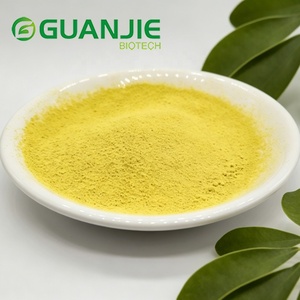
Fisetin Cotinus coggygria (Stem/Wood) ≥ 98.0% Fisetin HPLC Cellular Senescence & Longevity Blends
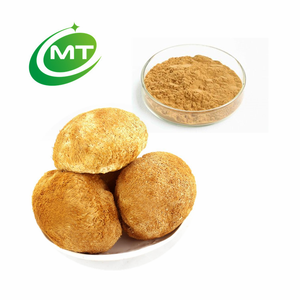
Lion's Mane Polysaccharides Hericium erinaceus (Fruiting Body) ≥ 30% Polysaccharides / ≥ 15% Beta-Glucans UV / Enzymatic Assay Cognitive Enhancement & Nootropic Formulations
Tongkat Ali Eurycomanone Eurycoma longifolia (Root) Standardized 200:1 / 0.5%–2% Eurycomanone HPLC Endocrine Support & Athletic Performance
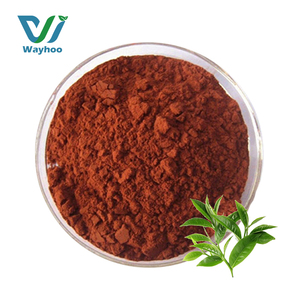
Green Tea Polyphenols Camellia sinensis (Leaf) 50%–98% Polyphenols / 15%–50% EGCG HPLC / UV Metabolic Health & Functional Foods
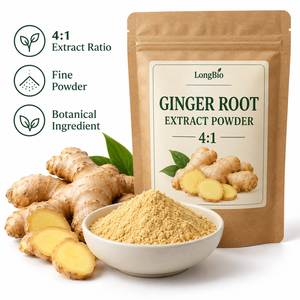
Gingerols Zingiber officinale (Rhizome) 4:1 / 5.0% Total Gingerols HPLC Digestive Health & Anti-inflammatory Blends

2. Key Macro Trends in the Botanical Processing Sector

The manufacturing sector for bulk herbal powders in China is undergoing substantial technological transformation:

  • Enzymatic Hydrolysis and Microencapsulation: Plant actives prone to degradation—such as highly concentrated polyphenols or hygroscopic mushroom powders—are now shielded using spray-drying microencapsulation (maltodextrin, pea protein, or gum acacia carriers) to enhance shelf stability and mechanical flowability during automated high-speed encapsulation.
  • DNA Barcoding and Botanical Authenticity: To counter deliberate economic adulteration (such as substituting rare botanical biomass with cheaper regional look-alikes), leading exporters provide HPTLC fingerprinting and genomic DNA barcoding for identity verification before batch milling.
  • Traceability from Origin (GAP Integration): Good Agricultural and Collection Practices (GACP) protocols track raw material origin, ensuring pesticide residues satisfy Regulation (EC) No 396/2005 (EU standard) and USP <561> multi-residue panels before materials enter the solvent extraction sequence.

Our Technical Strengths & Export Infrastructure

Combining UK-aligned technical validation and compliance governance with direct-from-source Chinese botanical extraction assets.

GMP Quality Management

Facilities operate under stringent cGMP and ISO22000 management frameworks. Every batch undergoes third-party multi-panel screening covering heavy metals (ICP-MS), microbiology, and residual pesticides.

Standardized Custom Specifications

Offering adaptable mesh sizing (60 to 200 mesh), customized extract ratios, and water-dispersible formulations engineered for smooth flowability in modern tablet presses and liquid bottling facilities.

Complete Regulatory Dossiers

We supply full technical files with each shipment: batch-specific Certificate of Analysis (CoA), Safety Data Sheet (SDS), Non-GMO, BSE/TSE-Free, Allergen Declarations, and Halal & Kosher attestations.

Frequently Asked Questions for Bulk Herbal Powder Sourcing

Direct answers addressing the key qualification, logistics, and compliance inquiries encountered by procurement managers.

Q: How do you prevent adulteration and verify raw botanical identity?

Every commercial batch is screened against pharmacopeial reference standards (USP/EP) via High-Performance Thin-Layer Chromatography (HPTLC) fingerprinting and HPLC. Sourcing records verify botanical species, plant part utilized, and harvest geographic provenance before raw intake processing.

Q: What documentation is included prior to bulk commercial shipping?

We supply a comprehensive technical qualification packet: comprehensive Certificate of Analysis (CoA), Technical Data Sheet (TDS), Safety Data Sheet (SDS) compliant with GHS, flow chart of production, allergen declarations, animal origin statements, and irradiation-free warranties.

Q: Can you accommodate custom particle sizes and bulk density requirements?

Yes. We offer toll grinding, micronization down to 200 mesh, and customized agglomeration/granulation for direct compression tablet lines. Bulk density adjustments ensure uniform weight filling in automated hard-capsule encapsulation machinery.

Q: What testing standards are applied to heavy metal contaminants?

Testing is executed using Inductively Coupled Plasma Mass Spectrometry (ICP-MS) against rigid international limits: Lead (Pb) < 3.0 ppm (or < 0.5 ppm for California Prop 65 compliance), Arsenic (As) < 2.0 ppm, Cadmium (Cd) < 1.0 ppm, and Mercury (Hg) < 0.1 ppm.

Q: How are sample requests and pre-shipment approvals handled?

We provide 50g–100g complimentary technical evaluation samples alongside their corresponding lot analytical CoA. Pre-shipment batch samples (PSS) from production lots can be sequestered and shipped via air courier for third-party lab confirmation before cargo release.

Q: What Incoterms, lead times, and transit options are available?

Standard trade options include FOB Shanghai/Qingdao, CIF global major ports, and DDP direct-to-warehouse delivery. Standard catalog inventory ships within 5 to 7 business days; custom extraction and spray-drying runs require 2 to 3 weeks processing time.

Connect with Our Technical Sourcing Desk

Whether you require standard 25kg fiber drum catalog stock or specialized OEM phytochemical standardization, our sales engineers and regulatory specialists provide quotes, specification sheets, and sample availability within 24 business hours.

Get a Quote