High-purity phytochemical isolates and full-spectrum extracts engineered for advanced nutritional supplements, active dermocosmetics, and functional food systems.
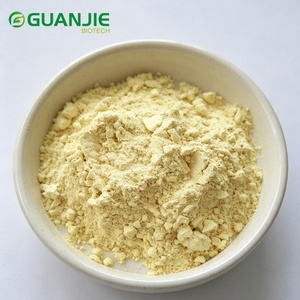
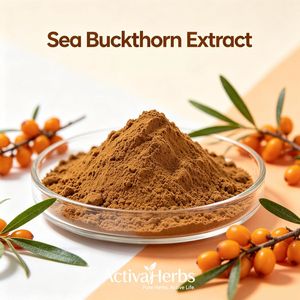
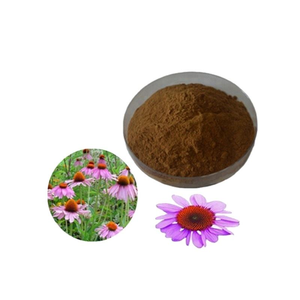
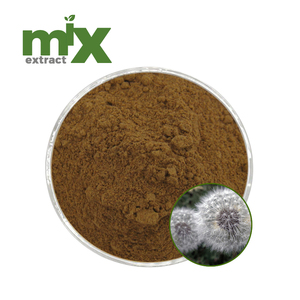
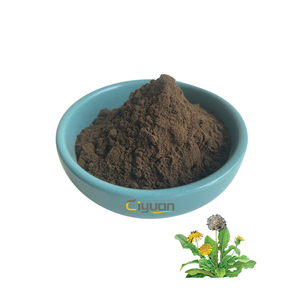
In the contemporary nutraceutical, functional beverage, and cosmeceutical sectors, botanical ingredient sourcing has evolved far beyond raw agricultural commodity procurement. Global procurement executives and formulation scientists face an increasingly strict regulatory environment led by the European Medicines Agency (EMA), the United States FDA (21 CFR Part 111), and strict pharmacopeial testing mandates (USP, Ph. Eur.). Sourcing biologically active compounds—such as Luteolin 98% from Sophora japonica, standardized Diosmetin, high-ratio Urtica dioica derivatives, and multi-marker Echinacea polyphenols—demands pharmaceutical-grade engineering, full chemical fingerprinting, and unwavering supply-chain integrity.
The distinction between standard contract extraction plants and premier active botanical ingredient factories lies in precision manufacturing. Leading extraction operations employ multi-stage clean-energy solvent recovery, supercritical CO₂ fluid extraction, molecular distillation, and simulated moving bed (SMB) chromatography. These cutting-edge techniques isolate precise marker compounds while eliminating residual solvents (such as ethanol, methanol, or ethyl acetate) well beneath ICH limits, preventing thermal degradation of delicate bio-flavonoids and phenolic glycosides.
| Evaluation Parameter | Tier-1 GMP Botanical Factories | Conventional Commodity Extractors | Procurement Risk Mitigation |
|---|---|---|---|
| Assay Quantification | Validated HPLC, UPLC-MS/MS, GC-MS | Non-specific UV-Vis or Gravimetric | Eliminates economic adulteration & spiked active agents |
| Traceability & GAP | Farm-to-extract chain; verified botanical voucher | Open market pooled agricultural raw batches | Guarantees biological identity and species purity |
| Contaminant Control | ICP-MS (Pb, Cd, As, Hg < 0.1 ppm), GC-MS pesticide screen | Basic composite heavy metal testing | Full compliance with stringent EU 2023/915 limits |
| Regulatory Dossier | Full CoA, Technical Data Sheet, SDS, TSE/BSE, Non-GMO | Basic single-page Certificate of Analysis | Immediate release by QA; accelerates time-to-market |
Emerging scientific innovations and supply-chain shifts transforming the global botanical active ingredient market through 2026 and beyond.
Global regulators are phasing out non-specific UV-Vis spectrophotometry in favor of orthogonal HPLC and DNA barcoding. Factory qualification now centers on chromatographic fingerprinting capable of distinguishing genuine botanical flavonoids from synthetic spikes.
Driven by corporate ESG agendas and consumer demand for clean labels, leading manufacturers are shifting from harsh petrochemical hydrocarbons to water-ethanol mixes, pressurized liquid extraction, and solventless subcritical fluid isolation.
Procurement bottlenecks rarely stem from warehouse inventories; they stem from incomplete technical dossiers. Forward-thinking suppliers provide complete dossiers—including solvent declarations, isotopic testing, and heavy-metal ICP-MS—alongside pilot samples.
Bridging certified GMP production facilities with responsive, UK-led technical account management and worldwide logistics networks.
Every lot is produced in cleanroom environments compliant with cGMP, ISO 9001/22000, and FSSC standards, with full Kosher and Halal production validation.
Batch testing guarantees residual solvent compliance, low bioburden, and heavy-metal limits aligned with USP <232> and Ph. Eur. 2.8.13.
Prompt, transparent communication from our UK desk backed by consolidated shipping corridors delivering to verified manufacturers across 50+ countries.
Customization across standardizations, particle distribution (mesh 80 to 200), tap density optimization, and instantized water-dispersible granules.
Technical, quality assurance, and logistical guidance addressing critical procurement considerations for active botanical ingredients.
Top-tier factories verify identity using orthogonal testing: macroscopic and microscopic botanical evaluation, high-performance thin-layer chromatography (HPTLC) fingerprinting against verified herbarium reference standards, and HPLC-DAD or LC-MS/MS for specific active marker quantification. This prevents intentional spiking with cheaper foreign plant flavonoids or synthetic active molecules.
Every ingredient lot is supported by a comprehensive QA file: Batch-Specific Certificate of Analysis (CoA), Technical Specification Sheet, Safety Data Sheet (SDS) compliant with GHS, Process Flow Diagram, Residual Solvent Statement (ICH Q3C), Allergen Declaration, Non-GMO Certification, and Heavy Metals ICP-MS testing records.
Different delivery systems demand specific physical profiles: dry direct-compression tablets require superior flowability and controlled bulk density (0.45–0.65 g/mL), two-piece hard capsules require 80–100 mesh sizing, and ready-to-mix drinks require micro-milled or agglomerated instant water-dispersible powders.
Production facilities use gas chromatography coupled with flame ionization detection (GC-FID) and headspace GC-MS to verify that residual extraction solvents (such as ethanol) fall well below pharmacopeial limits. Pesticide screens use dual LC-MS/MS and GC-MS/MS instruments to detect multi-residue targets compliant with EU regulation (EC) No 396/2005.
Yes. We provide representative pre-shipment laboratory samples along with verified retention data and batch-specific CoAs. This enables formulation teams to run in-house verification, stability testing, and pilot compression trials before committing to full container orders.
We routinely support EXW, FOB, CIF, and DDP terms via air and sea freight. Urgent sample kits and pilot quantities ship within 48 to 72 hours via courier express, while standard multi-drum production runs typically ship within 10 to 18 business days with complete customs clearance dockets.