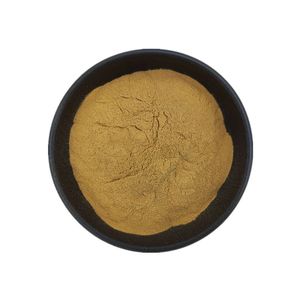

High-potency standardised extracts sourced from certified cultivation hubs and verified with validated analytical methods including HPLC, UV, and GC-MS.
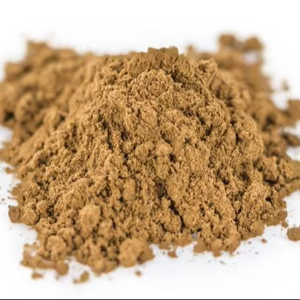
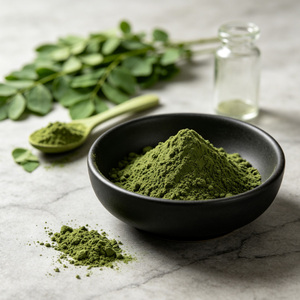
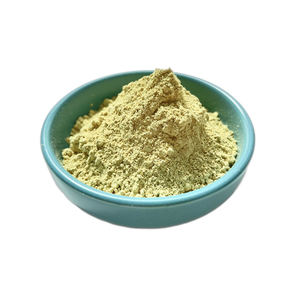
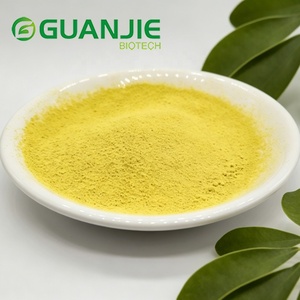
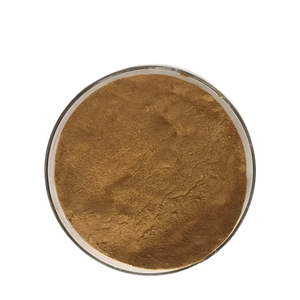
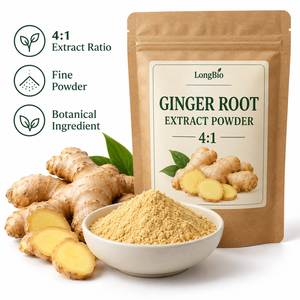
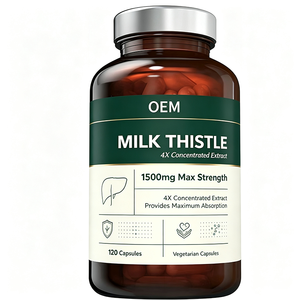
The transition from artisanal botanical trading to pharmaceutical-grade phytochemical engineering marks a structural evolution in nutraceutical manufacturing. Modern procurement directors, formulation scientists, and QA auditors across the United Kingdom, European Union, and North America face unprecedented regulatory scrutiny. Navigating raw material procurement requires a deep technical comprehension of chromatographic standardization, residual solvent thresholds, pesticide multi-residue screening, and geographic adulteration risks.
A reliable botanical extract exporter no longer functions merely as a commodity broker. They must operate as an integrated technical extension of the brand's analytical laboratory. Whether standardising Shikimic Acid extracted from Illicium verum, isolating lipophilic Kavalactones from noble Piper methysticum cultivars, or purifying Fisetin to 98% purity from Cotinus coggygria, raw material integrity hinges on documented supply chains and absolute analytical transparency.
Procurement frameworks within dietary supplements and cosmeceuticals are transforming due to supply chain decarbonisation, strict pesticide ceilings (EU No 396/2005), and demand for bio-enhanced delivery systems. Formulators are pivoting away from non-standardised crude powders toward precisely quantified bioactive extracts. Four macro trends currently redefine enterprise sourcing contracts:
Phyto-equivalence validation requires switching from non-specific UV-Vis spectrophotometry to High-Performance Liquid Chromatography (HPLC) and Liquid Chromatography-Tandem Mass Spectrometry (LC-MS/MS) to eradicate adulteration by non-active analogues.
Adoption of Supercritical CO2 fluid extraction and clean ethanol-water solvent systems to entirely eliminate Class 1 and Class 2 residual solvents (such as hexane and ethylene dichloride) in adherence with USP <467> and Ph. Eur. 5.4 guidelines.
To combat intentional botanical species substitution, modern exporters employ Genomic DNA barcoding alongside Stable Isotope Ratio Mass Spectrometry (IRMS) to verify plant origin, harvest authenticity, and organic integrity.
As consumer education advances, simple botanical powders face declining demand compared to micro-encapsulated, phytosome-complexed, and water-dispersible variants. Active plant polyphenols—such as Silymarin from Milk Thistle (Silybum marianum) and Gingerols from Zingiber officinale—frequently exhibit poor water solubility and limited intestinal absorption. Exporters investing in liposomal lipid carriers, spray-dried micro-emulsions, and cyclodextrin inclusions empower manufacturers to introduce stable functional beverages, clear drops, and shelf-stable effervescent tablets without unpalatable sedimentation or active ingredient degradation.
Simultaneously, contract manufacturers increasingly require standardized bulk powders engineered for direct compression (DC). Bulk density, particle morphology, and tap angle characteristics are engineered during crystallization to prevent phase separation during high-speed capsule filling (e.g., 100,000 capsules/hour), minimizing downtime and waste.
Built upon strict UK and international QA benchmarks, our manufacturing network addresses procurement vulnerabilities before purchase orders are placed.
Every single production batch ships with a comprehensive Certificate of Analysis detailing active compound assay percentages, residual moisture, density, mesh distribution, and complete heavy metal limits (Pb, As, Cd, Hg) below stringent European thresholds.
Operations run in facilities operating under cGMP and ISO 22000 quality management matrices. Verified cleanroom environments safeguard raw materials against cross-contamination, fungal spores, and extraneous matter, backed by Kosher and Halal compliance certificates.
We eliminate QA documentation delays by providing complete regulatory technical files on demand: Safety Data Sheets (SDS), TSE/BSE free certificates, non-irradiated declarations, Non-GMO verification, and residual solvent clearances compliant with pharmacopeial specs.
From prompt delivery within the United Kingdom to integrated cold-chain sea, air, and multimodal logistics across Europe, North America, and the Middle East, our team handles incoterms (FOB, CIF, DDP) and customs paperwork reliably.
Detailed technical responses addressing regulatory compliance, sample pilot testing, analytical validation, and procurement parameters.
We run a multi-tier identity verification protocol. Raw dried botanicals undergo botanical macroscopic and microscopic inspection, followed by High-Performance Thin-Layer Chromatography (HPTLC) fingerprinting against reference standards from pharmacopeias (USP, Ph. Eur.). If synthetic spikes (such as synthetic vanillin, isolated caffeine, or inorganic nitrogen compounds) are suspected, carbon-14 isotope analysis and mass spectrometry screening are deployed.
Pilot qualification samples (standard 50g-500g packages) are provided alongside a representative Lot-Specific Certificate of Analysis (CoA), Technical Specification Sheet, Safety Data Sheet (SDS), and Allergen Declaration. This enables your research team to evaluate flowability, solubility, and bio-marker assays on calibrated bench equipment prior to purchasing commercial volumes.
Yes. Custom granulation, particle sizing (ranging from 60 mesh to ultra-fine 200 mesh micronisation), and excipient selection are available on contract runs. Depending on format requirements (such as clear liquid dispersibility versus high-speed rotary capsule filling), we formulate carrier-free extracts or utilize non-GMO maltodextrin, acacia gum, or brown rice flour as specified.
Export batches conform to destination-specific requirements. Shipments destined for the EU adhere strictly to the maximum residue limits (MRLs) established under Regulation (EC) No 396/2005 and Commission Regulation (EU) 2023/915 for contaminants. Similarly, US shipments are screened to satisfy AHPA (American Herbal Products Association) guidance and USP guidelines for heavy metals (Lead < 0.5 ppm, Cadmium < 0.5 ppm, Arsenic < 1.0 ppm, Mercury < 0.1 ppm).
Standard spot-stock inventory delivers within 3 to 7 business days across the UK and Europe. Custom-milled or bespoke extract lots require typical lead windows of 2 to 4 weeks. Standard export packing utilizes food-grade double polyethylene liner bags sealed inside tamper-evident 25kg fiber drums. We support standard Incoterms including EXW, FOB, CIP, CIF, and DDP to align with your logistical structure.
All partnered extraction plants operate under cGMP standards certified by accredited third-party registrars (NSF, SGS, or equivalent), integrated with ISO 9001 and ISO 22000 management systems. For religious and specialized consumer requirements, batch-specific Halal and Kosher certification documents are verified and issued prior to invoice settlement.
Request batch-specific Certificates of Analysis, technical product dossiers, pricing structures, or formulation evaluation samples from our specialists.
Inquire Now