
Engineered via low-temperature hydrodynamic extraction and chromatography-verified assays. Compare verified lots across active biomarkers, dissolution parameters, and international pharmacopeia compliance.
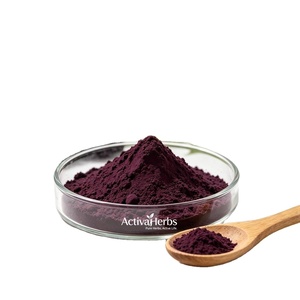
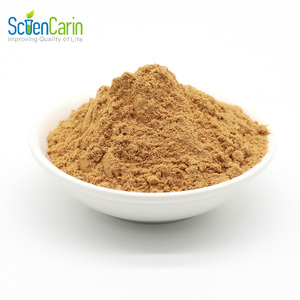
As international regulatory agencies tighten oversight across botanical sports formulations, immunomodulatory syrups, and clean-label nutraceuticals, Echinacea purpurea procurement has shifted from crude macerations to chromatography-standardized targets. China’s processing clusters, located strategically across certified agricultural zones, utilize non-thermal multi-stage hydrodynamic extractions followed by macroporous resin adsorption. This methodology guarantees the preservation of thermolabile caffeic acid derivatives—chief among them cichoric acid, caftaric acid, and chlorogenic acid—while precisely quantifying lipophilic alkylamides (isobutylamides) that drive peripheral immune activation.
Modern international supply chains demand rigorous differentiation between aerial parts (herb) and root matrices. The flowering aerial biomass is exceptionally abundant in cichoric acid and polyphenolic complexes, making it ideal for rapid water-dispersible effervescent formulations and liquid functional concentrates. Conversely, the root biomass concentrates alkylamides, rendering a distinctive tingling sensation on the oral mucosa (chemesthetic signaling) that premium consumer brands actively calibrate. Our supply architecture enforces orthogonal testing protocols—pairing Ultra-High-Performance Liquid Chromatography (UHPLC) with Photodiode Array (PDA) detection and Gas Chromatography-Mass Spectrometry (GC-MS)—eliminating cross-species contamination with Echinacea angustifolia or synthetic spiked marker compounds.
Strict quantitative assays for Cichoric Acid (1.0%–4.0%) and Polyphenols (4.0%–15.0% UV-Vis), complete with baseline resolution curves resolving caftaric and echinacoside fractions to rule out adulteration.
Ethanol-water hydroalcoholic extraction avoiding Class 1 and Class 2 solvents. Validated ICP-MS analysis ensuring elemental lead (<0.5 ppm), arsenic (<0.5 ppm), cadmium (<0.2 ppm), and mercury (<0.1 ppm).
Proprietary spray-drying and agglomeration delivering instant cold-water dispersion, uniform bulk density (0.40–0.60 g/mL), and 100% passage through 80-mesh sieves without maltodextrin bulking agents.
Pre-formulation technical data designed for quality assurance executives, formulators, and regulatory directors assessing USP, EP, and ChP compliance parameters.
| Botanical Matrix | Standardized Marker | Assay Specification | Analytical Method | Physical Form | Regulatory Verification |
|---|---|---|---|---|---|
| Echinacea purpurea Aerial | Cichoric Acid | ≥ 2.0% – 4.0% | HPLC-DAD (USP/EP) | Fine Brownish-Green Powder | USP / European Pharmacopoeia |
| Echinacea purpurea Whole Herb | Total Polyphenols | ≥ 4.0% – 8.0% | UV-Vis / Colorimetric | 100% Water Dispersible | Dietary Supplement / Non-GMO |
| Echinacea purpurea Root | Total Alkylamides | ≥ 0.5% – 2.0% | HPLC-Reverse Phase | Pungent Micro-Granular | Ph. Eur. Monograph Grade |
| Echinacea Pressed Juice | Expressed Polysaccharides | ≥ 20.0% Polysaccharides | Ethanol Precipitation / Gravimetric | Hygroscopic Powder (Vacuum Dried) | Herbal Medicinal Product (THMPD) |
| Echinacea Extract 10:1 | Herb-to-Extract Ratio | 10:1 (Native Extract) | TLC / Identification Match | Soluble Tan Granulate | Food Supplement Grade |
Key economic, analytical, and agronomic shifts observed by China’s premier manufacturing exporters serving North American, European, and Asia-Pacific nutraceutical pipelines.
Global supply integrity now mandates botanical DNA metabarcoding to combat intentional adulteration with inferior species. Exporters with integrated PCR tracing verify germplasm identity from proprietary farming bases prior to solvent contact.
Formulators increasingly reject chlorinated or aggressive hydrocarbon solvents. Leading producers in China utilize closed-circuit subcritical water and superheated hydro-distillation systems to satisfy stringent EU organic and non-solvent label declarations.
Cichoric acid easily hydrolyzes when exposed to heat and moisture. High-shear micro-encapsulation with prebiotic acacia fiber protects active polyphenols while masking intense bitterness, accelerating adoption in ready-to-drink (RTD) cans and pectin gummies.
Purchasing teams minimize supply fragmentation by contracting unified stacks. China's top export hubs bundle Echinacea extracts alongside co-extracted Elderberry (Sambucus nigra), Panax Ginseng, and Zinc glycinate, drastically reducing freight tariffs and consolidation delays.
European and US corporate buyers demand complete ESG lifecycle documentation. Leading exporters have established solar-powered extraction parks and GAP-certified wild-harvest management across Gansu and Shaanxi provinces to satisfy Scope 3 emission audits.
Procurement teams require cloud-accessible analytical data. Advanced facilities provide instant QR-linked HPLC certificates, heavy-metal isotope ratios, and ethylene oxide (ETO) absence confirmation before containers depart coastal logistics centers.
Combining specialized domestic botanical agriculture with international regulatory oversight, documented lot integrity, and zero-compromise quality management systems.
cGMP, ISO9001, ISO22000, Kosher, and Halal certified manufacturing infrastructure with documented Chain of Custody from seed harvest to final shipping drum.
Strategic intermediate warehousing across Europe and North America enables 72-hour sample dispatch and stable rolling buffer stock for fast contract delivery.
Bespoke tailoring of particle distribution, mesh profiling (40–120 mesh), bulk tap density, and direct-compressible granules for high-speed automated capsule filling.
Every commercial delivery includes comprehensive batch CoAs, residual solvent limits, 500+ pesticide GC-MS screens, aflatoxin panels, and irradiation-free statements.
Direct answers addressing technical qualification, testing protocols, logistics security, and batch consistency for procurement professionals.
Cichoric acid is highly sensitive to enzymatic oxidation by polyphenol oxidases naturally present in fresh Echinacea. We implement flash-heat enzymatic deactivation within minutes of field harvesting, followed by vacuum concentration under 45°C and nitrogen-purged drum packaging with desiccants to preserve active potency throughout shelf life.
We deploy High-Performance Thin-Layer Chromatography (HPTLC) and reverse-phase HPLC referencing European Pharmacopoeia standards. Echinacea purpurea is distinctly identified by its dominant cichoric and caftaric acid profile, accompanied by the near absence of echinacoside, which serves as the primary phenolic marker for Echinacea angustifolia.
Yes. Our extraction centers feature cryogenic pin-milling and fluid-bed granulation equipment. We can provide standard 80-mesh fine powder for capsule blending, 40-mesh free-flowing granulate for direct tableting presses without excipient bridging, or superfine 200-mesh grades suited for smooth liquid suspensions.
All export batches comply with both USP <561> and European Pharmacopoeia (Ph. Eur. 2.8.13) pesticide regulations. Multi-residue LC-MS/MS and GC-MS/MS screens verify that over 500 individual compounds, including organochlorines, organophosphates, and pyrethroids, test well below strict international quantification thresholds.
Standard trial batch minimum order quantities start at 25 kg in poly-lined fiber drums. Commercial production runs typically scale from 100 kg to multi-metric ton contracts. Standard inventory items dispatch within 3–5 business days, while custom standardized runs require 10–14 business days from specification freeze to customs port departure.
Every commercial lot ships with a full technical qualification dossier: Batch-Specific Certificate of Analysis (CoA), Technical Data Sheet (TDS), Safety Data Sheet (SDS/MSDS), Allergen Declaration, Non-GMO Statement, Residual Solvent Certificate (USP <467>), Heavy Metals ICP-MS Report, BSE/TSE-Free Statement, and Non-Irradiation Certificate.