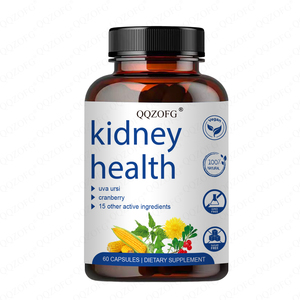
Targeted Botanical Blend
Digestive Health Uva Ursi Cranberry 15 Other Active Ingredients Hydrating Nutrients Botanical Blend
15+ Actives Blend
Send an Inquiry

Complementing our high-potency Rhodiola Rosea production lines, we provide B2B bulk supply, customized extract ratios, and turnkey OEM/ODM encapsulation for targeted functional nutrition and lifestyle brands.
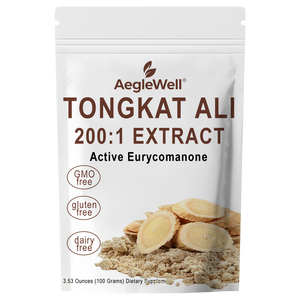
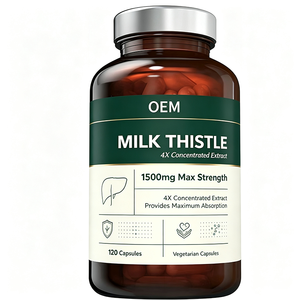
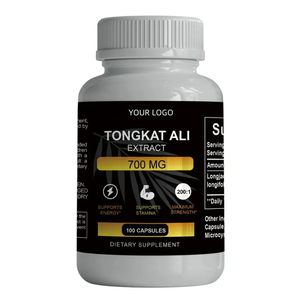
A rigorous examination of botanical provenance, authentic marker standardization (Rosavins vs. Salidroside), chromatographic verification methodologies, and international CITES regulatory compliance for procurement directors.
Authentic golden root (Rhodiola rosea L.) exhibits a distinctive, non-fungible fingerprint characterized by phenylpropanoids (rosavin, rosin, rosarin) alongside phenylethanoid glycosides (salidroside / rhodioloside). Reliable Chinese manufacturing plants mandate a natural 3:1 ratio of total Rosavins to Salidroside.
Supply scarcity historically incentivized the substitution of authentic Rhodiola rosea with Rhodiola crenulata or Rhodiola serrata. While R. crenulata yields high salidroside concentrations, it completely lacks the therapeutic rosavin complex vital for adaptogenic CNS efficacy and cortisol modulation.
Effective late 2022, the genus Rhodiola spp. was officially inscribed into CITES Appendix II. Chinese facilities must hold legitimate domestic Forestry Bureau harvest quotas, verified raw biomass provenance, and export verification permits to prevent customs seizures in the EU, UK, and US.
Our collaborative manufacturing infrastructure bridges raw material harvesting in Northwest China with stringent Western QA/QC protocols, ensuring seamless clearance across pharmaceutical and dietary supplement sectors.
| Commercial Grade | Botanical Part | Active Compounds | Assay Method | Key Applications | Regulatory Status |
|---|---|---|---|---|---|
| Rhodiola Rosea Extract 3:1 | Dried Rhizome & Root | Rosavins ≥ 3.0%, Salidroside ≥ 1.0% | HPLC-DAD (USP/Ph. Eur.) | Nootropics, Stress relief capsules, Energy blends | CITES Compliant |
| Rhodiola Rosea Extract 5:2 | Underground Rhizome | Rosavins ≥ 5.0%, Salidroside ≥ 2.0% | HPLC-DAD | High-potency clinical adaptogen formulations | CITES Compliant |
| Pure Salidroside 98% | Purified Rhizome Matrix | Salidroside ≥ 98.0% | HPLC Internal Standard | Cosmetic skin barrier, Cellular anti-aging APIs | Pharma Grade |
| Water-Soluble Instant Grade | Rhizome Extract | Total Rosavins ≥ 1.5%, Salidroside ≥ 1.0% | HPLC / UV | Functional RTD drinks, Effervescent tablets, Stick-packs | Food Grade |
| Rhodiola Crenulata Extract | Root (High Plateau) | Salidroside 1.0%–5.0% (Zero Rosavins) | HPLC-DAD | High-altitude hypoxia formulas, Traditional tonics | Standard Monograph |
*Customized carrier configurations (silica-free, non-GMO maltodextrin, acacia gum) and custom mesh sizes (80 to 200 mesh) are tailored on contract.
Strategic B2B buyers must anticipate ecological constraints, novel delivery innovations, and tightening international phytosanitary frameworks. Here is how leading manufacturers are positioning their supply pipelines.
Wild harvesting in the Altai and Siberian tundra faces strict ecological quotas. Top Chinese producers have invested heavily in large-scale GACP cultivation bases in Xinjiang and Qinghai, securing reliable raw biomass and mitigating wild supply shocks.
The explosive rise of adaptogenic carbonated waters, functional shots, and coffee enhancers requires crystal-clear cold-water solubility without sediment, turbidity, or unpalatable astringency, driving advanced ultra-filtration extraction lines.
As chemical synthesis of salidroside from tyrosol increases in low-cost sectors, sophisticated brand owners require carbon-14 dating and comprehensive chromatographic HPLC marker ratios to guarantee 100% natural botanical origin.
Modern formulators increasingly order standardized Rhodiola combined with high-grade Milk Thistle, Ashwagandha, and Berberine in cohesive OEM premixes to simplify manufacturing bills of materials (BOMs) and enhance clinical outcomes.
By operating directly at the intersection of first-line Chinese extraction capacity and UK/European supply management, we eliminate the traditional friction of cross-border procurement. Our clients gain pristine direct-from-source economics paired with frictionless pharmaceutical documentation.
Facilities hold active cGMP, ISO 9001, ISO 22000, HACCP, Halal, and Kosher certifications with full multi-lingual audit trails.
Shipments contain Lot-Specific CoAs, HPLC Chromatograms, Heavy Metal ICP-MS data, Microbiological assays, and Allergen/Non-GMO declarations.
Evaluation samples dispatched promptly with complete technical sheets, enabling formulation stability testing before commercial commitment.
Navigating global phytosanitary regulations, tariff updates, and raw material purity standards demands more than an overseas broker. We operate as your dedicated botanical procurement desk, actively verifying identity, enforcing heavy metal thresholds, and safeguarding scheduled manufacturing lead times.
Direct answers addressing extraction chemistry, regulatory paperwork, adulteration testing, and global logistics execution for commercial buyers.
We execute high-performance liquid chromatography with photodiode array detection (HPLC-DAD). Authentic Rhodiola rosea presents a characteristic profile containing rosavin, rosin, and rosarin (typically 3:1 relative to salidroside). In contrast, Rhodiola crenulata contains zero detectable rosavins. DNA barcoding is additionally employed on raw root intake.
Since the inclusion of Rhodiola spp. in CITES Appendix II, every export shipment requires an official CITES Export Permit issued by China’s Endangered Species Import and Export Management Office, alongside botanical origin verification. We coordinate the complete export permit set to ensure frictionless customs entry.
Yes. While standard commercial extract powder commonly incorporates non-GMO corn-derived maltodextrin as a spray-drying carrier to maintain flowability and hygroscopic stability, we readily formulate 100% pure carrier-free extracts, organic acacia gum carriers, or pharmaceutical silica-based carrier options.
Our extracts conform strictly to USP <2232> / EP standards for heavy metals: Lead (Pb) < 0.5 ppm, Cadmium (Cd) < 0.5 ppm, Arsenic (As) < 1.0 ppm, and Mercury (Hg) < 0.1 ppm via ICP-MS. Residual pesticides are screened against USP <561> and European Pharmacopoeia multi-residue panels covering over 400 compounds.
Standard catalog specifications (such as Rosavins 3% / Salidroside 1%) maintain a baseline MOQ of 25 kg (one standard fiber drum). Custom extractions, non-standard carrier systems, or dedicated granulations typically carry an MOQ of 100 kg to 500 kg. Air-freight deliveries dispatch within 5–7 days; ocean container consignments average 18–25 days depending on destination port.
Yes. We provide 50g–100g bench-trial samples free of charge to qualified commercial manufacturers and brand owners. Each sample is accompanied by its lot-specific Certificate of Analysis, technical specification sheet, Safety Data Sheet (SDS), and non-irradiation/non-GMO declaration.
Synthetic salidroside is readily synthesized via the glucosylation of chemical tyrosol. Our analytical laboratories utilize high-resolution isotopic ratio mass spectrometry (IRMS) and HPLC impurity profiling to verify natural biosynthetic pathways, ensuring the whole botanical matrix remains unadulterated.
We operate exclusively with green extraction processes utilizing purified water and food-grade grain ethanol (hydro-ethanolic extraction). Methanol, chlorinated hydrocarbons, and other hazardous Class 1 or Class 2 solvents are strictly prohibited, ensuring full compliance with USP <467> and EU 2009/32/EC guidelines.
Whether you require standard 3% Rosavins extract drums, custom water-soluble grades for ready-to-drink functional beverages, or complete OEM encapsulation dossiers, our technical procurement specialists are prepared to assist.