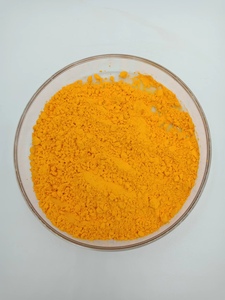
Derived from sustainable botanical farming, verified by high-performance liquid chromatography (HPLC), and optimized for pharmaceutical, dietary supplement, and functional food manufacturing.
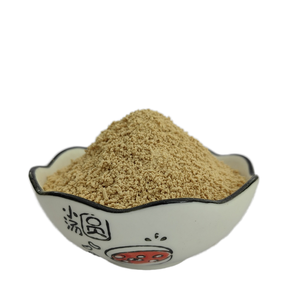
The Austrian nutraceutical and phytopharmaceutical sectors operate under stringent European regulatory oversight. Overseen locally by the Austrian Agency for Health and Food Safety (AGES - Agentur für Gesundheit und Ernährungssicherheit) and aligned with the European Medicines Agency (EMA) Committee on Herbal Medicinal Products (HMPC), market entry requires exceptional botanical purity and validated manufacturing dossiers.
China stands as the global epicentre of primary Ginkgo biloba cultivation, holding over 70% of wild and cultivated forest biomass. However, Austrian contract manufacturing organizations (CMOs) and supplement brands often face hurdles bridging international supply chains due to pesticide thresholds, residual processing solvents, and cytotoxic compounds. Our manufacturing processes bridge this gap directly by producing extracts conforming to the rigorous European Pharmacopoeia (Ph. Eur.) monograph.
| Analytical Parameter | Austrian & Ph. Eur. Target Spec | Standard Commercial Grade | Testing Methodology |
|---|---|---|---|
| Flavonol Glycosides | 22.0% – 27.0% | 24.0% (unspecified ratios) | HPLC (Quercetin, Kaempferol, Isorhamnetin) |
| Terpene Lactones | 5.4% – 6.6% (Bilobalide 2.6–3.2%) | < 6.0% Total | HPLC / Evaporative Light Scattering (ELSD) |
| Ginkgolic Acids | < 5.0 ppm (Strict Monograph Limit) | > 10.0 – 50.0 ppm | Liquid Chromatography–Mass Spectrometry (LC-MS) |
| Heavy Metals (Pb, Cd, Hg, As) | Pb <3.0mg/kg, Cd <1.0mg/kg, Hg <0.1mg/kg | General USP Limits | ICP-MS (Inductively Coupled Plasma) |
| Ethylene Oxide (EtO) | Undetectable (< 0.01 mg/kg) | Often untested | GC-MS Screening |
A primary bottleneck for Austrian pharmaceutical buyers is the removal of Ginkgolic acids—alkylphenols recognized as potent contact allergens, genotoxic hazards, and cytotoxic agents. While conventional commodity extractors utilize crude organic washes, our export facilities use advanced multi-stage column chromatography and supercritical nanofiltration to guarantee Ginkgolic acid profiles below 5 ppm, ensuring zero disruption during AGES customs clearance and import checks in Vienna and Linz.
Engineered for seamless integration into high-speed tableting lines, softgel encapsulation, and functional clean-label formulations across DACH-region laboratories.
Tailored for the aging demographics in Vienna, Lower Austria, and Styria. Standardized ginkgo extract supports cerebral microcirculation and neurotransmitter balance, incorporated widely into premium nootropic capsule stacks combined with Phosphatidylserine and Lion's Mane.
In accordance with the well-established Austrian phytomedicine heritage, ginkgo flavone glycosides promote capillary integrity. Formulated extensively by compounding pharmacies and apothekes for vascular flexibility, vertigo management, and acoustic microvascular support.
An emerging lifestyle trend among Tyrolean sports brands: blending bioavailable ginkgo terpenoids with liposomal antioxidants to enhance tissue oxygenation, peripheral thermoregulation, and endurance recovery under high-altitude hypoxia.
Austria boasts one of the most eco-conscious consumer bases across the EU, with strong preferences for sustainably sourced and cleanly processed goods. Three dominant trends are shaping how Austrian procurement officers source raw materials:
Leveraging dedicated botanical farms in China with strategic European management, Nutraspect eliminates cross-border qualification delays for Austrian partners.
Every single batch originates from manufacturing sites conforming strictly to cGMP, ISO 22000, Halal, and Kosher quality criteria, fully documented for cross-border AGES auditing.
Eliminate sample testing lag times. We furnish batch-specific COAs, GC-MS pesticide panels (covering 400+ compounds under EC 396/2005), aflatoxin screens, and safety data sheets (SDS) prior to shipping.
Consolidated European supply pipelines providing direct DDP/CIF delivery into Vienna, Graz, and Salzburg. We manage all export documentation, customs clearances, and botanical quarantine paperwork.
Direct technical answers regarding customs clearance, AGES compliance, laboratory testing, and supply continuity.
Our extraction facilities employ multi-stage macroreticular resin purification specifically calibrated to reduce Ginkgolic acids below 5 ppm. Every lot destined for the European market is analyzed via LC-MS to confirm non-detectable or compliant thresholds, fully backed by an authenticated batch COA.
We do not use Ethylene Oxide at any stage of our manufacturing or sterilization chain. All raw botanical leaf materials undergo strict botanical identification and sorting to prevent weed co-harvesting (eliminating PA risks), followed by accredited GC-MS/MS validation below quantifiable EU limits.
Yes. We classify Ginkgo Biloba Extract under standard TARIC/HS code 1302.19. We provide complete commercial documentation including Certificates of Origin (COO), Phytosanitary Certificates, and Packing Lists designed for swift processing at Austrian customs hubs.
Yes. While our standard specification is 80 mesh, we routinely provide micronized powders (up to 120 mesh) or low-dust granulated extract forms tailored to optimize compressibility and flowability on high-speed rotary tablet presses without additional binders.
Qualified B2B manufacturers in Austria can request 50g–200g trial samples. Samples are dispatched via DHL/FedEx Express alongside complete technical data sheets (TDS) and batch COAs, arriving at Austrian laboratory facilities within 3 to 5 business days.
We routinely supply on FOB Shanghai/Ningbo, CIF Hamburg/Rotterdam, or DDP directly to manufacturing facilities across Austria (e.g., Vienna, Graz, Innsbruck). Air freight lead times range between 5–8 days, while consolidated sea-rail routes typically take 26–32 days.