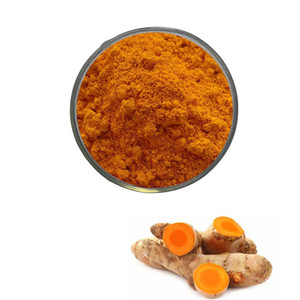

Our manufacturing lines synthesize botanical raw ingredients according to high-precision assay benchmarks. With complete batch-specific Certificates of Analysis (CoA) verified via HPLC and UV spectrophotometry, each lot directly interfaces with Korea Health Functional Food (건강기능식품) and K-Beauty clean-label formulations.
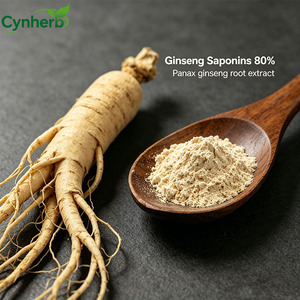
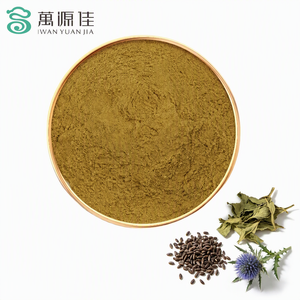
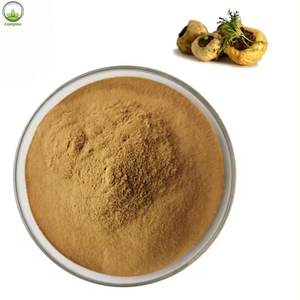
The nutraceutical and bio-cosmetic industries centered around Seoul, Gyeonggi-do, and Chungcheong bio-clusters require ingredients that strictly correlate with K-MFDS positive lists and modern consumption habits. Here is how our standardized botanical extracts integrate into top South Korean finished formats.
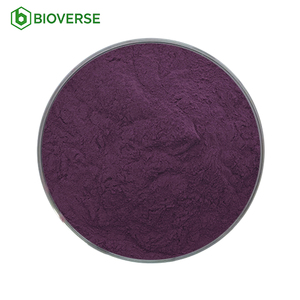
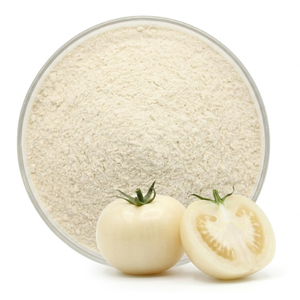
Driven by the booming Gangnam aesthetics and domestic dermocosmetic markets, our solvent-free White Tomato Extract and Elderberry Anthocyanins provide stable, bioavailable carotenoids that resist degradation in liquid drink sticks, beauty jellies, and collagen-synergy tonics.
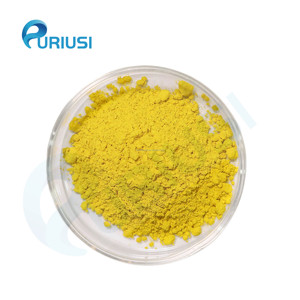
Addressing South Korea's massive commercial "Sook-chwee-hae-so" (숙취해소) functional drink market, our Water-Soluble Curcumin (10%) and pharmaceutical-standard Milk Thistle Extract (80% Silymarin) offer instant, crystal-clear dissolution without residual bitter off-notes or phase separation.
In response to the surge in "Slow Aging" (저속노화) nutritional strategies among young Korean demographics, Dihydroberberine (98%) provides OEM tableting partners in Seoul with up to five times greater intestinal permeability than classic Berberine HCl for clean-label blood glucose formulations.
Procurement departments in Seoul are shifting towards traceable, verified, and pre-audited single botanical sources to avoid complex inspection rejections under the Ministry of Food and Drug Safety (MFDS) protocols.
MFDS executes rigorous testing under Class 2 and Class 3 solvent protocols. Our extraction protocols utilize exclusively food-grade ethanol and deionized aqueous extractions, avoiding toxic organic solvent residues like benzene or dichloromethane, guaranteeing swift clearance through Incheon Customs.
As retail chains such as Olive Young and Coupang expand their functional health food sections, finished brands require raw material partners that offer rigorous Non-GMO declarations, zero allergen cross-contamination, and certified Halal/Kosher accreditations for export expansion.
Generic dry plant powder no longer satisfies Seoul's analytical R&D standards. Every lot we ship includes specific fingerprinted identification profiles comparing target phytochemicals against USP, DAB, and KP (Korean Pharmacopoeia) reference standards via HPLC assay methodology.
Combining world-class production facilities in raw botanical origin regions with streamlined export channels to Seoul, we eliminate supply friction, regulatory exposure, and batch variance.
Our extraction complexes operate cleanrooms compliant with Grade D air quality, modern stainless closed-circuit extraction batteries, and continuous low-temperature vacuum drying technology to protect delicate bioactive structures.
We supply comprehensive documentation before booking shipments: physical CoA, Safety Data Sheet (SDS), heavy metal analysis (Pb, As, Cd, Hg within MFDS parts-per-billion standards), pesticide screen, and microbiological plate verification.
With consolidated regional warehousing and dedicated forwarders operating daily direct flights and rapid ferry vessels connecting Qingdao/Shanghai to Incheon Port, delivery schedules to Seoul are predictable within 3–5 business days.
Key information regarding testing compliance, customs documentation, and logistics protocols for buyers in Seoul and Gyeonggi-do.
Every extract batch intended for the South Korean market is audited against the "Korean Food Standards Codex" (식품공전). We ensure our target standardizations are produced without restricted solvent systems, while keeping heavy metals (Lead, Arsenic, Cadmium, Mercury) and microbiological loads well within the legal thresholds stipulated by MFDS.
Yes. Contract manufacturing organizations (CMOs) in Seoul frequently require 80-mesh to 120-mesh ultrafine powders for uniform stick-pack and two-piece capsule filling. We supply 100% pure botanical extracts without excipients (such as maltodextrin), as well as customized agglomerated, water-dispersible granules upon request.
We provide 50g–200g commercial evaluation samples accompanied by the actual lot's Certificate of Analysis. This enables your local QC laboratory or independent third-party institutions (such as KTR or KCL in Korea) to perform verification assay testing prior to opening commercial letters of credit or dispatching bulk shipments.
We routinely execute shipments under CIF Incheon, CIP Incheon Airport, and DDP Seoul warehouse terms. Due to geographic proximity, standard air cargo transit from our hub facilities to Incheon International Airport (ICN) is 24–48 hours, while sea freight to Incheon Port averages 3–5 days, securing lean, just-in-time inventory turnover.
Whether you require complete regulatory dossier assistance, custom phytochemical assay profiles, or prompt pre-shipment sample verification, our dedicated East Asia export team is prepared to support your production cycle.
Inquire Now