Freeze Dried Bioactive
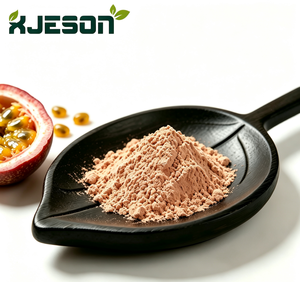
100% Pure Natural Passion Fruit Extract Freeze Dried Powder
Passiflora edulis
Cold Lyophilized
Water Soluble

Engineered for European functional foods, clean-label beverages, sports nutrition, and high-stability confectionery matrices. Fully certified with batch-specific HPLC assays, low solvent residue, and zero pesticide limits.
The Dutch agrifood complex—anchored by Wageningen University & Research (Food Valley), the deep-water logistics hubs of Rotterdam, and specialized processing plants in Gelderland and North Brabant—serves as the primary operational gateway for food-grade plant extracts entering the European Union. Procuring food-grade botanical concentrates within this ecosystem requires a granular technical understanding of Directive 2009/32/EC on extraction solvents, maximum residue levels (MRLs) codified under Regulation (EC) No 396/2005, and the zero-tolerance heavy metal directives set by Regulation (EU) 2023/915.
Unlike non-standardized herbal crudes, food-grade extracts manufactured or imported for Dutch industrial formulations must meet rigorous thermodynamic stability requirements. Whether supplying the national dairy processing conglomerates in Friesland, functional RTD beverage developers in Amsterdam, or clean-label bakery creators across the Benelux zone, manufacturers must guarantee active marker consistency via High-Performance Liquid Chromatography (HPLC) and Gas Chromatography-Mass Spectrometry (GC-MS). Sourcing teams can no longer accept single-point assay values; they require exhaustive phytochemical finger-printing that rules out adulterants, pyrrolizidine alkaloids (PAs), polycyclic aromatic hydrocarbons (PAHs), and unauthorized ethylene oxide treatments.
Batches Verified with Validated HPLC/GC-MS Assays
Strict EU 2023/915 Polycyclic Aromatic Hydrocarbon Cap
Ethylene Oxide (ETO) & Ionizing Irradiation Residue
Pan-Netherlands Buffer Release via Rotterdam Hub
A technical examination of extraction ratios, active metabolite kinetics, and carrier engineering across our foundational product lines.
Produced via sub-zero sublimation (-45°C vacuum phase) without synthetic maltodextrin carriers. Preserves volatile aromatic esters (ethyl butyrate, hexyl hexanoate) and native carotenoids. Demonstrates 100% dissolution in cold water phases with non-turbid particulate dynamics.
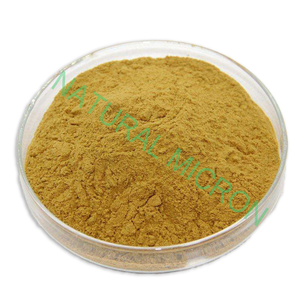
Extracted using food-grade hydro-ethanolic counter-current columns. Standardized to steroidal saponins (timosaponin A-III and mangiferin). Provides surfactant-like surface-tension reduction in emulsified matrices, optimizing both shelf stability and bio-accessibility.
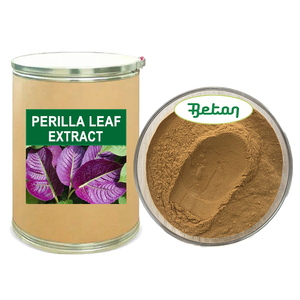
Derived via supercritical fluid extraction (SFE-CO2) yielding concentrated diterpenes and rosmarinic acid. Functions as an antimicrobial and flavor enhancer, modulating sweet taste receptors (TAS1R2/TAS1R3) while retarding lipid oxidation in unsaturated fatty acids.
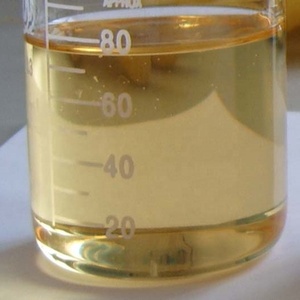
High-fractionation monoterpenoid alcohol (purity ≥98.0% by GC). Exhibiting exceptional minimum inhibitory concentration (MIC) thresholds against food-borne spoilage yeasts (Zygosaccharomyces bailii). Fully validated for clean-label antimicrobial preservation under EFSA flavorings lists.
The Netherlands is Europe's premier testing ground for nutritional breakthroughs. Here is how our certified botanical extracts integrate directly into key Dutch processing sectors.
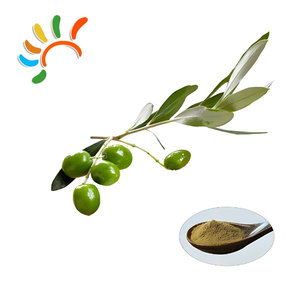
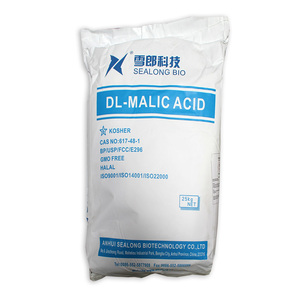
Dutch consumer preferences in Zuid-Holland and Utrecht are driving double-digit growth in plant-based dairy. Our vacuum-isolated Olive Leaf Extract (Oleuropein 20%) acts as an end-stage natural shelf-life protector in plant-based cheeses, replacing synthetic calcium sorbate. Meanwhile, DL-Malic Acid provides a smooth, lingering sour note that balances the earthy tones of faba bean and yellow pea protein isolates without curdling fat matrices.
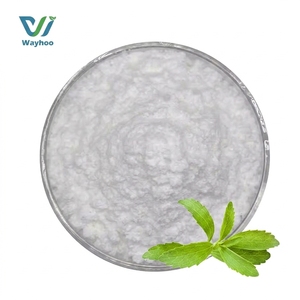
Under the Dutch National Prevention Agreement (Nationaal Preventieakkoord), domestic beverage brands are under intense regulatory pressure to slash caloric density. Our Natural Stevia Extract (Reb-A 98% / Reb-M series), complemented by trace thresholds of Sclareolide-rich Perilla Extract, blocks the tongue's hTAS2R38 bitter taste receptors. This achieves a natural sucrose sweetness profile across functional tonics, electrolyte rehydration drinks, and cold-pressed botanical brews.
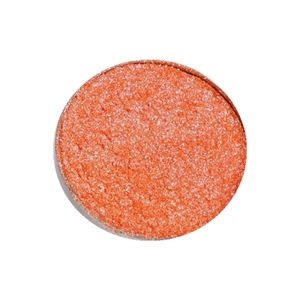
Following the European Commission's prohibition of Titanium Dioxide (E171) in foods under Regulation (EU) 2022/63, industrial Dutch chocolate and pastry manufacturers required safe, non-toxic pearlescent alternatives. Our Edible Luster Dust Orange C1002 (Potassium Aluminium Silicate / E555 coated with natural iron oxides) delivers brilliant chromatic luster and heat resistance up to 220°C in extruded snacks, sugar icings, and premium chocolate coatings.
Strategic procurement requires forward-looking technical integration. These four regulatory and manufacturing trends dominate procurement planning across Rotterdam, Amsterdam, and Eindhoven.
European consumers actively reject complex synthetic extraction solvents like hexane or ethyl acetate. The market has irreversibly shifted toward green extraction techniques: pressurized liquid extraction (PLE), supercritical carbon dioxide (scCO2), and pure enzymatic water extractions that guarantee a clean label declaration on consumer-facing retail packaging.
Under Regulation (EU) 2015/2283, proving historical consumption within the EU prior to 15 May 1997 is mandatory. Dutch QA teams scrutinize taxonomic provenance. Sourcing standardized extracts with documented human nutritional heritage avoids catastrophic product impoundment by the NVWA at the Port of Rotterdam.
Thermal degradation of sensitive polyphenols during UHT pasteurization remains a persistent formulation challenge. Advanced manufacturers rely on fluid-bed agglomeration and specialized cyclodextrin or natural acacia encapsulation, stabilizing aromatic terpenes and antioxidants against heat, light, and low-pH beverage conditions.
With Corporate Sustainability Reporting Directive (CSRD) reporting obligations taking effect across large Dutch food conglomerates, Scope 3 greenhouse gas auditing is paramount. Buyers prioritize high-yield extraction facilities utilizing closed-loop biomass energy and regional consolidation centers with carbon-neutral transit lanes.
Every commercial batch supplied into the Dutch and broader European market is released with an ISO/IEC 17025 accredited Certificate of Analysis (CoA) conforming to the following thresholds:
| Ingredient Assay | Assay Method | Heavy Metals Limit (EU 2023/915) | Pesticide Screening (EU 396/2005) | Microbiological Standard | Compliance Status |
|---|---|---|---|---|---|
| Passion Fruit Juice Powder | Nutrient HPLC-DAD | Pb < 0.1 mg/kg, Cd < 0.05 mg/kg | Multi-residue GC-MS/LC-MS (500+) | Total Plate < 1,000 CFU/g, Yeast/Mold < 100 | ✓ NVWA Conforming |
| Anemarrhena Root Extract | Timosaponin AIII HPLC | Pb < 0.5 mg/kg, As < 0.3 mg/kg | Zero residual organophosphates | E. coli Negative/10g, Salmonella Absent/25g | ✓ NVWA Conforming |
| Perilla Leaf Extract (Sclareolide) | Internal Standard HPLC | Pb < 0.2 mg/kg, Hg < 0.02 mg/kg | Passes EU Organic/Conventional Screen | Total Plate < 3,000 CFU/g, Entero < 10 | ✓ NVWA Conforming |
| Pure Geraniol Liquid | GC-FID Active Phase | Heavy Metals < 1 ppm aggregate | Pure Synthesized / Distilled Phase | Total Pathogen Free Phase (Liquid) | ✓ NVWA Conforming |
| Natural Stevia Extract (Reb-A) | JECFA / USP Monograph | Pb < 0.1 mg/kg, Cd < 0.05 mg/kg | Zero Detection (Limit 0.01 mg/kg) | Plate < 100 CFU/g, Pathogen Negative | ✓ NVWA Conforming |
| Edible Orange Luster Dust | ICP-OES Metal Oxide Assay | Strict EU Food Grade Mineral Specs | Mineral non-agricultural matrix | Bio-burden Free < 100 CFU/g | ✓ NVWA Conforming |
| Olive Leaf Extract (Oleuropein) | Ph. Eur. Method HPLC | Pb < 0.3 mg/kg, Cd < 0.1 mg/kg | Strict EU MRL Baseline Verified | Total Plate < 1,000 CFU/g, Molds < 50 | ✓ NVWA Conforming |
| DL-Malic Acid Powder | FCC / Titration Assay | Pb < 0.05 mg/kg, As < 0.1 mg/kg | Fermentation / Organic Synthesis | Commercially Sterile Crystal Matrix | ✓ NVWA Conforming |
Drawing on established UK and pan-European operational standards, our facilities bridge the gap between raw botanical processing and the high-compliance demands of Western European food manufacturers. Our supply network is built specifically to address the risks that cause procurement delays, production line halts, and regulatory recalls.
Our contracted extraction facilities operate under strict cGMP, ISO 22000:2018, and FSSC 22000 quality systems. Kosher and Halal options are fully certified per lot, supporting broad multi-market commercial distribution across European and global consumer segments.
Every single batch is accompanied by an extensive technical file: batch-specific Certificate of Analysis (CoA), Safety Data Sheet (SDS), Allergen Matrix, Non-GMO Declaration, BSE/TSE statements, and validated residual solvent reports conforming to Directive 2009/32/EC.
Leveraging deep logistics integrations via the Port of Rotterdam and bonded distribution facilities, we manage customs clearance, T1 transit documentation, and direct DDP pallet deliveries to contract manufacturers (CMOs) across the Netherlands, Germany, and Belgium.
Direct technical answers addressing the most common concerns raised by procurement directors, formulation scientists, and quality managers across the Netherlands.
The Netherlands Food and Consumer Product Safety Authority (NVWA) strictly checks incoming third-country plant extracts. Our shipments arrive pre-cleared with complete analytical dossiers: botanical identity (Latin binomial), extraction method, residual solvent levels, and accredited multi-residue pesticide screening (500+ compounds). This proactive documentation guarantees smooth release through Dutch customs without unexpected port demurrage.
Yes. Every botanical extract we supply into the EU is categorized against the EU Novel Food Catalogue under Regulation (EU) 2015/2283. Ingredients such as Stevia extracts (E960) and Olive Leaf Extract possess established consumption history or explicit authorization. For items targeting functional food boundaries, our technical team confirms whether your formulation requires Article 4 consultation or standard food use notification.
We supply standard validation sample packs (50g to 250g) shipped with lot-specific CoAs within 48 to 72 hours for R&D trials in pilot plants. Commercial MOQs typically start at 25 kg in fiber drums with sealed food-grade polyethylene inner liners. For bulk annual supply agreements, we maintain rolling buffer stock in European bonded warehouses to accommodate scheduled monthly or quarterly call-offs.
Yes. High-speed capsule filling lines and sachet dosing systems require specific powder rheology. We offer custom micronization from standard 80 mesh down to 200 mesh superfine powder, as well as wet granulation to optimize bulk density (0.40–0.65 g/mL) and Angle of Repose, ensuring clean flowability and minimal downtime on high-speed equipment.
Yes. Under Regulation (EU) 2023/915, botanical extracts must comply with strict limits: Benzo(a)pyrene ≤ 10.0 μg/kg and the sum of Benzo(a)pyrene, Benz(a)anthracene, Benzo(b)fluoranthene, and Chrysene ≤ 50.0 μg/kg. Our manufacturing processes utilize indirect heat drying and strict temperature controls, avoiding direct flue gas contact and ensuring low PAH content.
Every shipment includes an Annex II (Regulation EU 1169/2011) Allergen Declaration confirming absence of cross-contamination with the 14 major allergens. Furthermore, our extracts are non-irradiated, derived from identity-preserved, non-GMO plant materials, and conform to Regulation (EC) 1829/2003 and 1830/2003 labeling standards.
Accelerate your product development cycle. Request technical specification sheets, comprehensive batch CoAs, regulatory dossiers, or laboratory pilot samples tailored directly to your food or beverage production matrices.