
Our primary ingredient portfolio meets rigorous international Halal benchmarks and Serbian Rulebook criteria on food supplements (Pravilnik o dodacima ishrani). Select an ingredient below to review validated assays, purity sheets, and export documentation.
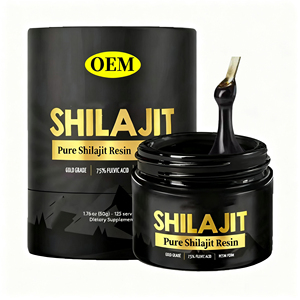
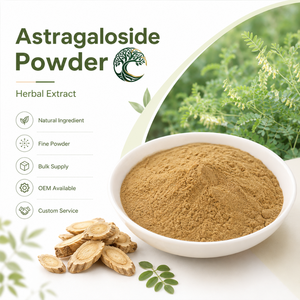
In modern nutraceutical manufacturing, achieving uncompromising Halal certification for botanical extracts extends far beyond mere abstinence from pork derivatives. For pharmaceutical engineers, formulators, and procurement managers operating in the Republic of Serbia, sourcing raw botanical materials requires strict transparency into the chemical mechanics of primary processing, solvent recovery protocols, carrier matrix selection, and industrial purification stages.
The core of Halal integrity in plant extracts lies in the critical differentiation between natural fermentation versus intoxicating khamr, coupled with the rigorous elimination of any technical cross-contamination. While whole botanicals are naturally Halal (Tayyib), the conversion into high-potency standardized powders, oleoresins, and liposomes introduces process aids that can compromise compliance if not monitored by validated spectroscopic methodologies.
Our technical files provide Serbian quality directors with complete documentation: comprehensive declarations of origin, flow diagrams disclosing all processing aids, certified statements confirming the absence of porcine enzymes, and chromatographic verification of residual solvents conforming to Ph. Eur. 5.4 limits as well as the global Standards and Metrology Institute for Islamic Countries (SMIIC) guidelines.
Importing botanical raw materials into Serbia demands an in-depth understanding of the domestic legal structure. Serbia has harmonized its regulations with the European Union while maintaining national scrutiny governed by the Rulebook on the Health Safety of Dietetic Products (Pravilnik o zdravstvenoj ispravnosti dijetetskih proizvoda) and guidelines supervised by the Ministry of Health of the Republic of Serbia, in conjunction with the Medicines and Medical Devices Agency of Serbia (ALIMS).
Serbian pharmaceutical institutions, such as the Faculty of Pharmacy in Belgrade, conduct rigorous compositional, microbiological, and botanical identity assessments prior to authorizing an extract's commercialization or inclusion in finished products registered in the National Registry of Dietary Supplements. Below is the technical compliance pathway required for seamless border entry and sanitary clearance at Serbian customs (Carina Srbije):
| Analytical Parameter | Serbian & EU Pharmacopoeia Threshold | Nutraspect Halal Batch Standard | Regulatory Relevance (Serbia) |
|---|---|---|---|
| Marker Compound Assay | Target active within ±5% of claimed standard | Precision HPLC/UV quantified against USP/EP reference standards | Complies with Ministry of Health label claim verification protocols |
| Heavy Metals (Pb, Cd, Hg, As) | Pb <3.0 mg/kg, Cd <1.0 mg/kg, Hg <0.1 mg/kg | Pb <0.5 mg/kg, Cd <0.1 mg/kg, Hg <0.02 mg/kg via ICP-MS | Enforces sanitary clearance at border inspection posts (Granična inspekcija) |
| Microbiological Bioburden | TAMC <10⁴ CFU/g, TYMC <10² CFU/g, Absence of Salmonella/E.coli | Steam-sterilized: TAMC <10³ CFU/g, absence of enterobacteria in 25g | Prevents batch quarantines by sanitary inspectors under Law on Food Safety |
| Pesticide Residues (MRL) | EC 396/2005 Multi-screen GC-MS/LC-MS limits | Compliant multi-residue pesticide screen (>450 compounds screened) | Mandatory requirement for herbal teas and nutraceutical solids in Serbia |
| Residual Solvents | Class 2 (e.g., methanol <3000ppm), Class 3 (ethanol <5000ppm) | Halal-adapted: Ethanol <500ppm, toxic solvents completely zeroed | Fulfills dual compliance: Shariah certification & Ph. Eur. Class 3 safety |
Serbia possesses a distinguished history of phytotherapy, herbal cultivation, and botanical formulation rooted in the renowned Institute for Medicinal Plants Research "Dr Josif Pančić". As the local manufacturing landscape transitions into advanced nutraceutical and functional beverage production centered around manufacturing hubs in Belgrade, Novi Sad, Niš, and Kragujevac, demand for internationally certified, Halal botanical ingredients has surged across four primary industrial vectors:
The nutraceutical market across Serbia and neighboring Southeastern European economies is experiencing a pronounced shift toward clean-label transparency. B2B procurement data shows that modern Serbian consumers—both the domestic market and export destinations serviced by Serbian factories in the Middle East and EU—increasingly view Halal certification as an objective mark of pristine quality and raw material purity.
Furthermore, Serbian export entities leverage Halal-certified botanical inputs as a competitive catalyst to access lucrative consumer markets in the Gulf Cooperation Council (GCC), Turkey, and North Africa. By formulating dietary supplements with our Halal, Kosher, and GMP validated extracts, Serbian manufacturing enterprises eliminate downstream regulatory barriers, expediting product registration with overseas health authorities.
We understand the working capital and production scheduling demands faced by Serbian contract manufacturers. Through predictable lead times, transparent Incoterms (DAP Belgrade, CIF, or FCA), and dedicated technical support, we help local enterprises eliminate supply volatility and accelerate their product launches.
Yes. Our extracts are certified by internationally accredited Halal auditing authorities whose standards align with GSO, SMIIC, and European Halal standards, widely accepted by the Islamic Community of Serbia (Islamska zajednica Srbije) and recognized by sanitary authorities during domestic import registration.
For each consignment, we supply a comprehensive dossier: full quantitative and qualitative batch Certificate of Analysis, certified botanical source declaration (genus, species, plant part), heavy metals analysis, pesticide multi-residue certificates, microbiological test reports, and non-animal origin confirmations needed by the Faculty of Pharmacy in Belgrade.
We supply official Phytosanitary Certificates issued by the designated agricultural and plant protection departments whenever whole or raw botanicals are exported. For refined, standardized extracts classified as processed food ingredients, appropriate health and sanitary declaration certificates accompany the EUR-1 or commercial export documents.
Yes. We dispatch standard 50g–200g technical evaluation samples via express courier (DHL/FedEx) directly to your laboratory in Serbia. Samples are accompanied by the batch-specific Certificate of Analysis and technical specification sheet to facilitate formulation screening and test tableting.
Standard inventory items ship within 3–5 working days from order confirmation, reaching Serbian customs hubs within 4–7 business days via air freight. Our commercial bulk MOQs typically start at 25kg (standard export fibre drum with double polyethylene food-grade liner), with customized trial pilot lots negotiable for niche compounds.
Our manufacturing operations are audited under ISO 22000, HACCP, and cGMP protocols. Equipment undergoes validated Clean-in-Place (CIP) cycles with non-alcoholic, certified sanitizing agents. Production sequences are strictly segregated to eliminate any risk of exposure to animal allergens, pork derivatives, or unapproved solvents.
Connect directly with our phytochemistry and international regulatory export team. Receive complete analytical dossiers, batch CoAs, Halal compliance statements, and competitive CIF/DAP Belgrade quotations tailored to your production schedules.