
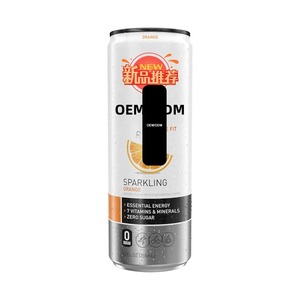
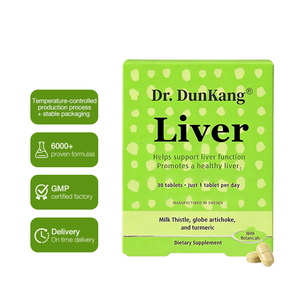
Featured Botanical Powders & Private Label Formulations
Engineered for maximum bio-efficacy and standard compliance. Each production lot is verified by HPLC/UV analytical assay, ensuring that your manufacturing yields predictable, batch-to-batch stability across pharmaceutical, dietary supplement, and functional beverage matrices.
40+
Standardized Active Botanical Ingredients
50+
Countries Cleared for Global Logistics
100%
Pre-Shipment CoA & Regulatory Traceability
0%
Irradiation or Non-Declared Excipients
Verified Supply Assurance
Core Quality & Compliance Advantages
We eliminate supply risk through pharmaceutical-grade documentation, validated chemical fingerprinting, and stringent adherence to international regulatory frameworks.
CE & International Standards
Extracts manufactured in accordance with strict EU and international botanical directives, ensuring low polycyclic aromatic hydrocarbons (PAHs) and full legal compliance.
Comprehensive Batch CoA
Every commercial lot is released with a validated Certificate of Analysis, including HPLC marker identification, pesticide multiresidue screens, and residual solvent quantification.
GMP & ISO Quality Control
Operating under ISO 9001, ISO 22000, and cGMP standards. Halal and Kosher certifications accompany raw botanical powders for rapid QA desk qualification.
Optimized UK & Global Logistics
Integrated supply operations bridging production facilities with localized warehousing, offering DDP/CIF terms and predictable lead-time scheduling worldwide.
Standardized Botanical Extracts: The Technical Sourcing Paradigm
In modern industrial procurement, relying on generic botanical powders presents severe liability risks for brands and contract manufacturing organizations (CMOs). CE Certified Herbal Extract Powder solutions demand exhaustive identity verification (such as HPTLC fingerprinting) to mitigate adulteration risks, species substitution, and solvent contamination. Sourcing agents must differentiate between native raw biomass ratios (e.g., 10:1 crude ratios) and bio-active quantified extracts (e.g., standardized 95% Curcuminoids or 5% Withanolides via HPLC). Without validated marker compound testing, therapeutic dosage precision is impossible to maintain across scale.
Furthermore, European, North American, and global regulatory frameworks have converged on heavy metal limits (Lead ≤ 3.0 ppm, Cadmium ≤ 1.0 ppm, Arsenic ≤ 1.0 ppm, Mercury ≤ 0.1 ppm) and ethylene oxide (EtO) sterilization prohibitions. Our engineering protocols deploy subcritical carbon dioxide and hydro-ethanolic extraction configurations, ensuring natural potency preservation while surpassing pharmacopeia cleanliness criteria.
| Botanical Source | Marker Phytochemical | Assay Method | USP/EP Regulatory Threshold | Solvent Profile |
|---|---|---|---|---|
| Withania somnifera (Ashwagandha) | Withanolides ≥ 2.5% – 5.0% | HPLC-UV | EP Heavy Metal Standard | Water / Food Grade Ethanol |
| Curcuma longa (Turmeric) | Total Curcuminoids ≥ 95.0% | HPLC-DAD | USP Grade / Non-GMO | Ethyl Acetate / Ethanol (< 50ppm) |
| Silybum marianum (Milk Thistle) | Silymarin ≥ 80.0% | UV-Vis / HPLC | Ph. Eur. Monographs | Aqueous Ethanol Extraction |
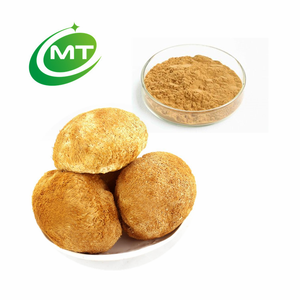
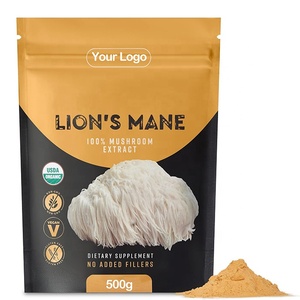
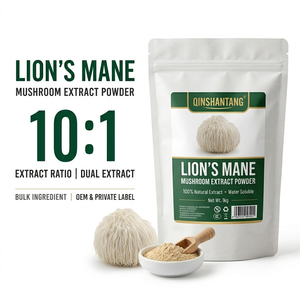
| Hericium erinaceus (Lion's Mane) | Beta-Glucans ≥ 30.0% / Polysaccharides | Enzymatic Assay / UV | Microbial Screen: Negative Salmonella | Dual Hot-Water & Alcohol |
| Siraitia grosvenorii (Monk Fruit) | Mogroside V ≥ 25% – 50% | HPLC | FCC Food Chemical Codex | Purified Deionized Water |
Dosage Form Versatility & Processing Dynamics
The transition of bulk herbal extract powder into finished retail dosage forms depends heavily on powder rheology. Formulators face significant challenges concerning hygroscopicity, particle size distribution (mesh size), and bulk density:
- Capsule & Tablet Compression: Requires granular powder flows with high compressibility indices (Carr's Index ≤ 18) to avoid binding agent over-utilization.
- Ready-to-Drink (RTD) Beverages: Demands 100% water-dispersible, cold-water-soluble botanical powders with low turbidity and rapid dissolution kinetics.
- Functional Gummy Formulations: Mandates thermostable extracts that resist active degrading under standard pectin or gelatin thermal cooking ranges (105°C–115°C).
Strategic Procurement Landscape
Future Sourcing & Processing Trends
Evaluate upcoming supply chain dynamics, consumer label expectations, and regulatory tightening across the botanical extract sector for 2025–2030.
1. Clean-Label Solvent Transparency
Global procurement desks are transitioning away from petroleum-derived extraction media like hexane or dichloromethane. Future-proof brands prioritize green chemistry: supercritical CO2, subcritical water extraction, and pure hydro-ethanolic solvents that leave zero toxic chemical residues in finished dietary products.
2. DNA Barcoding & Botanical Authentication
Adulteration detection has moved beyond UV absorption. Third-party supply chain audits increasingly rely on genomic DNA barcoding and Nuclear Magnetic Resonance (NMR) profiling to verify botanical origin, prevent botanical blending, and authenticate species before warehouse intake.
3. Dual-Extraction Mushroom Synergies
Driven by cognitive health formulations, functional fungi demand is pivoting to quantified active thresholds (Beta-D-glucans, Erinacines, Hericenones) rather than crude starch-heavy extracts. Dual-phase extraction systems that capture both water-soluble and lipid-soluble constituents dominate upcoming pipeline orders.
Knowledge Base
Frequently Asked Procurement Questions
Direct answers to standard questions raised by corporate procurement officers, QA formulation directors, and regulatory compliance specialists.
What specific regulatory documentation accompanies each extract shipment?
Every commercial batch is accompanied by an individualized Certificate of Analysis (CoA), Technical Data Sheet (TDS), Safety Data Sheet (SDS/MSDS according to REACH/GHS), GMO-Free Declaration, Allergen Confirmation, Non-Irradiation Statement, and residual solvent reports conforming to USP <467> and EP limits.
How do you address botanical adulteration and active compound stability?
We deploy high-performance liquid chromatography (HPLC) and thin-layer chromatography (TLC/HPTLC) against pharmacopeial reference standards. We guarantee consistent marker compounds throughout shelf-life when stored in original vacuum-sealed packaging under cool, dry environmental conditions.
Can custom mesh sizes and bulk densities be calibrated for automated encapsulation?
Yes. We offer customized milling, granulation, and micro-pulverization ranging from 80-mesh standard powders up to 200-mesh ultra-fine grades. Specific bulk densities can be matched to suit high-speed rotary tablet presses or automated capsule-filling machinery.
What are the minimum order quantities (MOQ) and sample lead times?
Standard laboratory evaluation samples (50g–200g) are dispatched within 48–72 hours via international air courier. Bulk commercial packaging typically utilizes 25kg double-polyethylene lined fiber drums, with bespoke private labeling and scheduled partial releases available upon contract confirmation.
Request Product Dossiers & Commercial Quotation
Connect with our technical desk to discuss target active assays, particle parameters, or pilot scale sampling for your formulation requirements.
Get a Quote