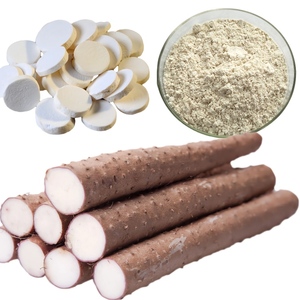

Engineered for functional food, dietary supplement, and pharmaceutical manufacturing. Every botanical batch is standardised by validated HPLC/UV assays with complete technical dossier files.
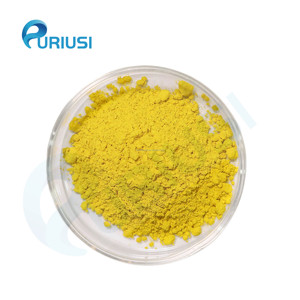
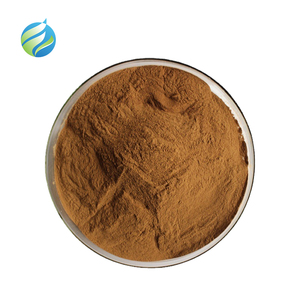
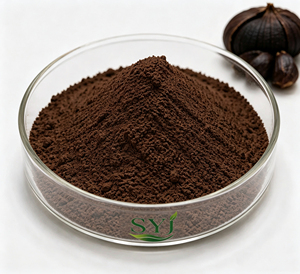
Sourcing botanicals internationally requires addressing regulatory scrutiny, solvent residue thresholds, and authentic batch reproducibility.
Facilities operate under full cGMP, ISO9001, and ISO22000 management with certified Kosher, Halal, and organic processing availability, ensuring full validation per lot.
Every shipment is matched with full analytical CoA packages covering active phytocompounds, pesticide screening (USP <561>), heavy metals (ICP-MS), and residual solvents.
GAP-aligned raw herbal origins ensure full botanical integrity from raw agronomy harvest down to spray drying, micro-milling, drum packaging, and global dispatch.
Operating dedicated multi-regional freight agreements ensuring door-to-door delivery stability, customs pre-clearance documents, and flexible DAP/CIF/FOB Incoterms.
Strategic insights for procurement directors, product developers, and formulation scientists operating in the 2025–2030 botanical active markets.
Historically, commercial procurement relied heavily on broad extract ratios (e.g., 4:1 or 10:1), which often left significant variance in active chemical constituents due to seasonal, soil, and processing differences. Today, Tier-1 formulation houses and nutraceutical brands require precision marker-compound profiling. Whether specifying withanolides in Ashwagandha, curcuminoid fractions in Curcuma longa, or deoxysophoradiol derivatives, standardisation demands validated High-Performance Liquid Chromatography (HPLC) or Ultra-Performance Liquid Chromatography (UPLC). This analytical clarity eliminates bio-potency variability across commercial batches and protects brands against adulteration risks.
Furthermore, the emergence of enhanced bio-availability technologies—such as crystalline micronisation, self-emulsifying drug delivery platforms (SEDDS), and liposomal botanical powder encapsulation—is shaping the next cycle of plant extract formulations. Buyers are steadily moving away from native raw powders toward micro-encapsulated formats that protect sensitive secondary metabolites through stomach acid, ensuring optimal intestinal uptake.
Global regulatory oversight on solvent residues (such as USP <467> and European Pharmacopoeia standards) is tightening. Traditional petrochemical solvent systems are increasingly replaced by green extraction alternatives. Supercritical CO2 extraction (sCO2), pressurized low-polarity water extraction, and enzyme-assisted processing are becoming essential benchmarks for premium botanical exports from China. For water-soluble beverage matrices, continuous multi-stage countercurrent extraction ensures active preservation while preventing thermal degradation and caramelisation of polyphenolic structures.
Additionally, forward-thinking buyers prioritize heavy metal compliance at the parts-per-billion (ppb) scale. As agricultural contamination guidelines in the US (California Proposition 65) and the European Union (Commission Regulation (EU) 2023/915) evolve, routine testing for Arsenic, Cadmium, Lead, and Mercury by Inductively Coupled Plasma Mass Spectrometry (ICP-MS) has transitioned from an optional service into an absolute prerequisite for international supply approval.
Direct comparisons of analytical standardisations, extraction media, and primary application matrices.
| Botanical Name | Primary Plant Part | Active Standard Compound | Standard Assay Range | Analytical Method | Recommended Dosage Format |
|---|---|---|---|---|---|
| Withania somnifera | Root | Withanolides / Withaferin A | 1.5% - 5.0% | HPLC-UV | Encapsulation / Adaptogenic Blends |
| Curcuma longa | Rhizome | Curcuminoids (Curcumin/DMC/BDMC) | 95.0% Standardised | HPLC | Joint Care Softgels / Tablets |
| Panax ginseng | Root / Leaf | Total Ginsenosides (Rg1, Re, Rb1) | 10.0% - 80.0% | HPLC / UV | Energy Formulations / Functional Drinks |
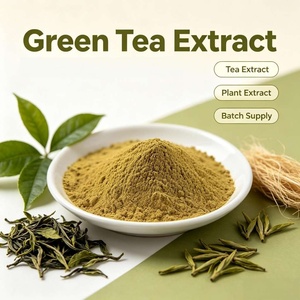
| Camellia sinensis | Leaf | Polyphenols / EGCG / Caffeine | 50% - 98% Polyphenols | HPLC / Titration | Weight Management / Antioxidant Beverage |
| Silybum marianum | Seed | Silymarin (Silybin/Isosilybin) | 80.0% Silymarin | UV / HPLC | Hepatoprotective Formulations |
| Boswellia serrata | Gum Resin | Boswellic Acids / AKBA | 65% Organic Acids / 30% AKBA | HPLC / Titration | Anti-inflammatory Topical / Oral Solid |
Customizing mesh size, bulk density, and solubility parameters to ensure downstream production stability.
High-density, flow-optimized crystalline and amorphous powders specifically processed for high-speed automated capsule filling, direct tablet compression, and sachet packing lines.
Clarified, fully water-dispersible botanical powders that preserve cold-water clarity, eliminate unpalatable sediment, and maintain thermal active stability throughout pasteurization.
Ultra-refined botanical extracts depleted of chlorophyll and unwanted tannins to produce pale, color-stable topical actives suited for clinical skin barrier formulations and serums.
Direct technical guidance on sample evaluations, analytical alignment, and commercial batch supply.
We deploy High-Performance Thin-Layer Chromatography (HPTLC) fingerprinting along with reference-standard comparison to establish correct botanical identity against known synthetic or low-cost adulterants before chemical active assaying begins.
Trial samples are shipped alongside batch-specific Certificates of Analysis (CoA), full technical data specification sheets (TDS), Safety Data Sheets (SDS) aligned with GHS standards, non-irradiated declarations, and allergen/GMO non-presence declarations.
Yes. We offer tailored micro-milling ranging from 60 mesh to ultra-fine 200 mesh. We also supply carrier-free pure extracts or custom-homogenized carriers using non-GMO maltodextrin, acacia gum, or brown rice flour depending on client specifications.
Core stocked active powders depart our central export facility within 24 to 48 hours. Custom batch synthesis or specialized spray-drying campaigns require typical lead times of 12 to 18 business days, managed under standard international Incoterms.
Connect directly with our botanical technical sales specialists to review assay requirements, confirm sample logistics, and request current inventory testing reports.