
Every active botanical ingredient is derived from vetted agricultural sources, concentrated through validated thermodynamic processes, and standardized by validated analytical markers (HPLC, UV, and GC-MS).
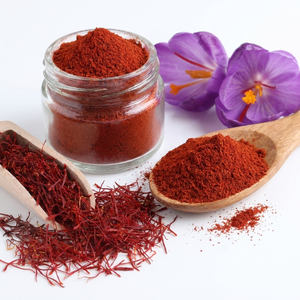
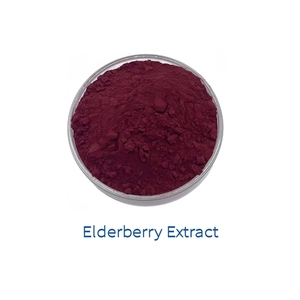
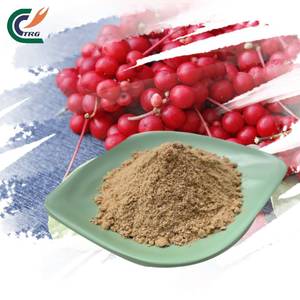
Nutraspect mitigates upstream botanical risks for global brands and contract development and manufacturing organizations (CDMOs). We bridge industrial crop farming with rigorous analytical pharmaceutical verification.
Operated in ISO Class 7/8 cleanrooms with automated multi-stage countercurrent extraction, vacuum concentration, and aseptic spray drying to protect heat-sensitive secondary metabolites.
Every batch requires analytical verification against USP/Ph. Eur. standards via high-performance liquid chromatography (HPLC), GC-MS, or spectrophotometric titration, avoiding raw ratio ambiguities.
Shipments include batch CoAs, residual solvent screening (ICH Q3C Class 1, 2, 3), heavy metal testing (ICP-MS), 500+ multi-residue pesticide screens, and irradiation declarations.
Headquartered in England with global bonded logistics nodes. Same-day document clearance, dedicated technical account desks, and predictable deliveries to 50+ sovereign markets.
Transparency is foundational to regulatory approval. Compare standard commercial analytical releases versus our enhanced manufacturer-level quality parameters:
| Analytical Parameter | Commercial Grade Baseline | Nutraspect cGMP Factory Release | Testing Methodology | Compliance Status |
|---|---|---|---|---|
| Phytochemical Marker Purity | Ratio only (e.g. 10:1 TLC) | Fingerprinted Marker Content ≥ Defined % | HPLC / UHPLC-DAD | Validated |
| Heavy Metals (Pb, Cd, As, Hg) | Total Heavy Metals < 20 ppm | Pb<0.5, Cd<0.2, As<0.5, Hg<0.1 ppm | ICP-MS (USP <233>) | Ph. Eur. 2.4.27 |
| Multi-Screen Pesticides | Random spot testing | >500 Compound Screen per Lot | GC-MS/MS & LC-MS/MS | USP <561> Zero MRL |
| Residual Extraction Solvents | Self-declared compliance | Tested below ICH Q3C safety thresholds | Headspace GC-FID | Fully Certified |
| Bioburden & Pathogens | Total Plate < 10,000 CFU/g | TPC < 1,000 CFU/g; Zero Salmonella/E. Coli | Microbiological Plate Count | USP <2021/2022> |
The botanical extract supply chain is undergoing profound structural shifts driven by stringent regulatory frameworks, eco-sustainable expectations, and raw ingredient vulnerabilities.
Adulteration risk is shifting procurement policies from non-specific photometric tests to mandatory DNA barcoding and High-Performance Thin-Layer Chromatography (HPTLC) fingerprinting. Suppliers must demonstrate absolute botanical authentication down to harvest varietal.
Climate unpredictability and geopolitical disruption are prompting multinational nutraceutical enterprises to transition from spot-market buying to multi-year forward reservations. Sourcing agreements now routinely incorporate agricultural traceability covenants.
Corporate ESG directives are reshaping vendor qualifications. Manufacturing plants with automated closed-loop ethanol recycling (>95% recovery rate) and water-conservation processing are increasingly favored by ESG-conscious enterprise procurement desks.
Industrial extraction has advanced beyond standard solvent boiling. Processing innovations now unlock higher bioavailability, cleaner solubility, and improved biological activity.
By adjusting pressure and temperature above the critical point, supercritical CO₂ selectively captures lipophilic terpene and polyphenol fractions without synthetic hydrocarbon residues or thermal degradation, producing clean, solvent-free botanicals.
Hydrophobic active phytocompounds (such as curcuminoids, boswellic acids, and triterpenoid saponins) are reformulated using spray-drying microencapsulation. These carrier-matrix technologies allow seamless suspension into ready-to-drink (RTD) beverages and clear liquids.
Biocatalytic enzymatic hydrolysis breaks tough plant cellulose and complex marine matrices into bioavailable low-molecular-weight oligopeptides (<1000 Da), optimizing intestinal absorption for sports nutrition and functional food formulations.
Direct technical answers addressing vendor qualification, analytical validation, documentation readiness, and cross-border delivery logistics.
Every inbound raw botanical lot undergoes taxonomic botanical verification and HPTLC chromatographic profiling against certified reference herbarium standards. When testing complex polyphenol matrices, we deploy validated HPLC-DAD methods to differentiate true bioactive marker compounds from non-specific spectrophotometric spikes.
Every commercial delivery includes a batch-specific Certificate of Analysis (CoA), full Technical Data Sheet (TDS), Safety Data Sheet (SDS) in accordance with GHS standards, Flow Chart of Extraction, BSE/TSE-free certification, Non-GMO declaration, Allergen matrix statement, and Residual Solvent reports aligned with ICH Q3C limits.
Yes. Our extraction facility custom-engineers particle mesh profiles (ranging from 40 to 120 mesh), loose and tapped bulk densities (0.40–0.70 g/ml for direct encapsulation speed), and carrier systems (organic maltodextrin, acacia gum, or 100% clean-label carrier-free options) to meet specific CDMO rotary press and liquid suspension parameters.
Stocked commercial extracts ship from UK bonded hubs within 48 to 72 hours. Custom extraction campaigns carry an average production lead time of 15 to 22 business days. Our baseline MOQ is 25 kg in poly-lined fiber drums. We routinely support FCA, CIF, DDP, and DAP terms depending on import brokerage preferences.
Initiate a conversation with our dedicated UK technical sourcing desk. Inquire about custom particle engineering, reserve commercial tonnage, or request batch samples with full analytical documentation.